Blog
Insights on secure development, vibe coding best practices, and building production-ready applications with AI assistance.
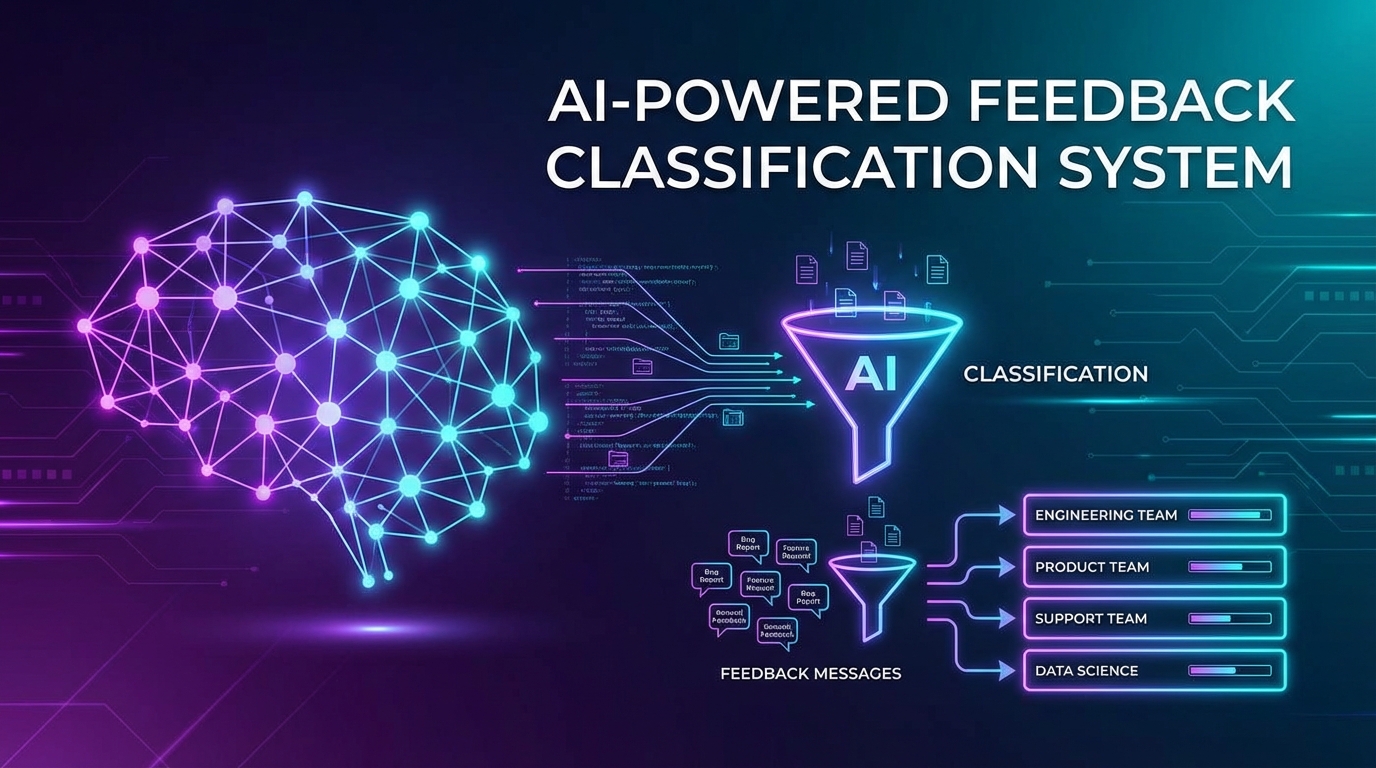
Use AI classification to automatically route feedback to product, support, engineering, or success teams. Eliminate manual triage and reduce response times.
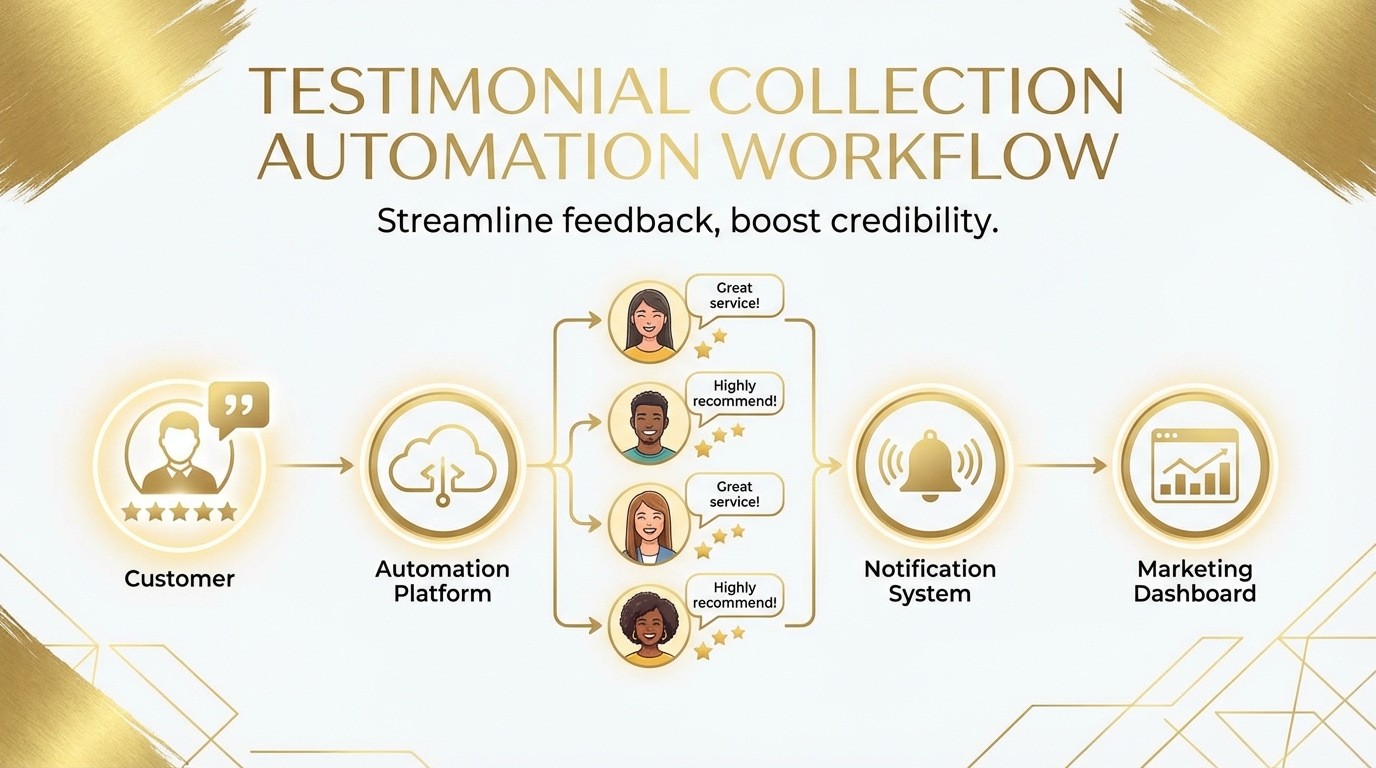
Systematically capture testimonials by reaching happy users at the right moment. Build a testimonial engine that runs on autopilot.
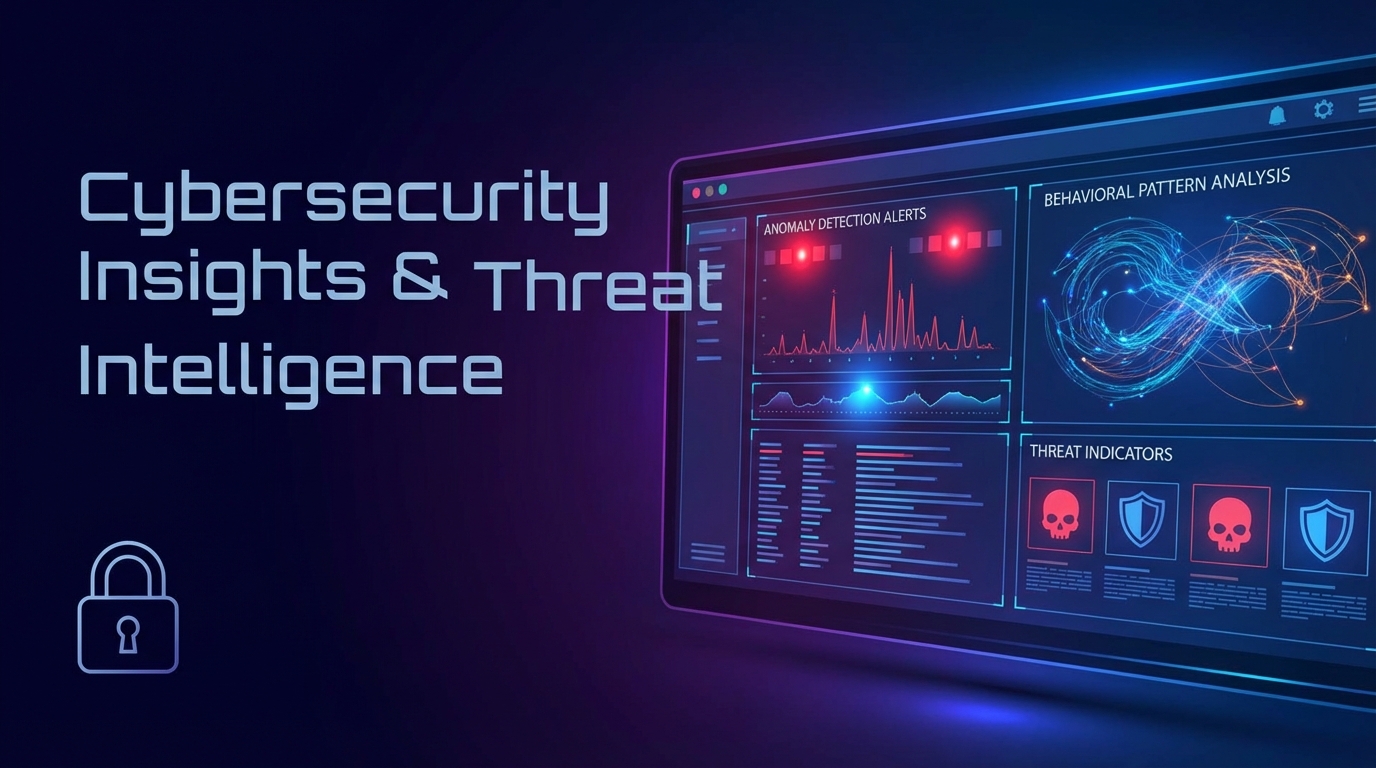
Detect account takeovers, fraud attempts, and security incidents through unusual patterns in user behavior and feedback. Turn feedback into a security sensor.
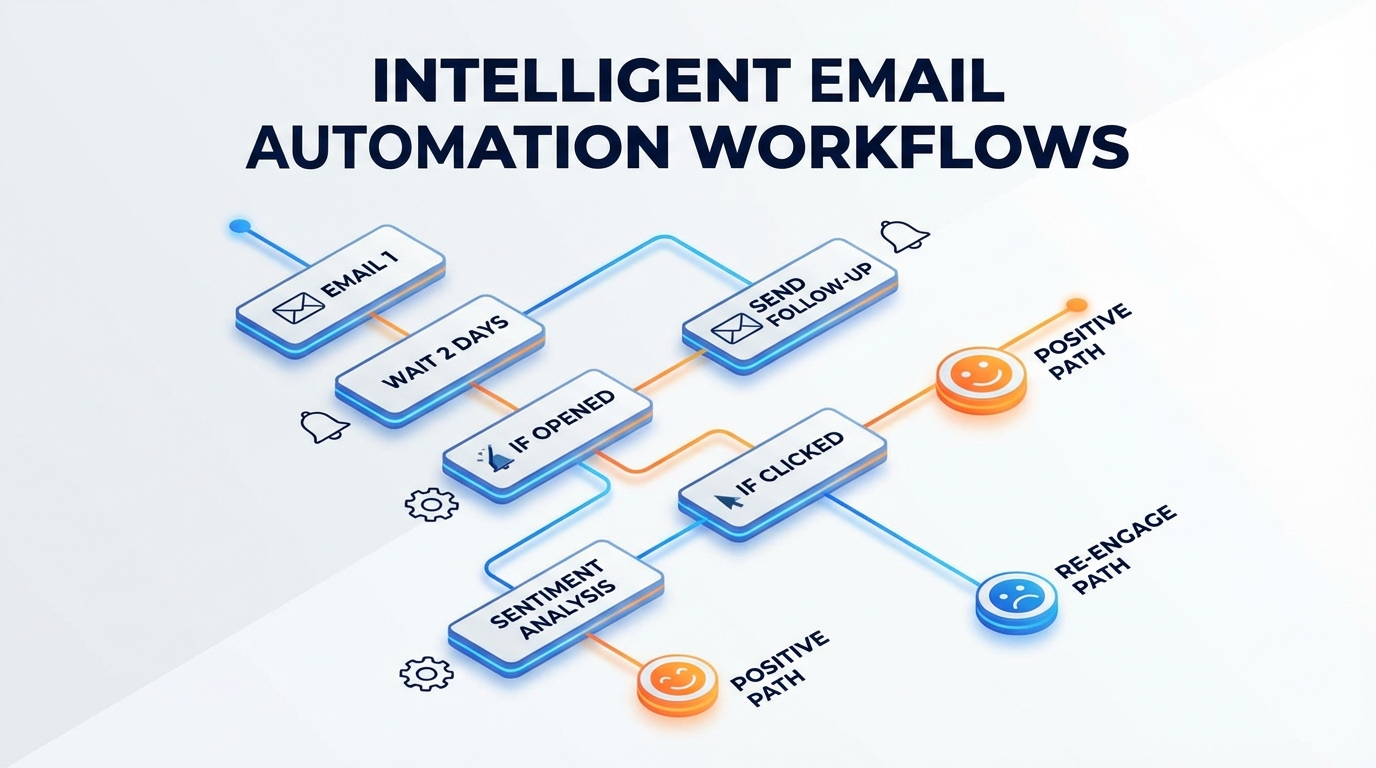
Build smarter nurture sequences that respond to how users actually feel. Use sentiment signals to send the right email at the right moment.
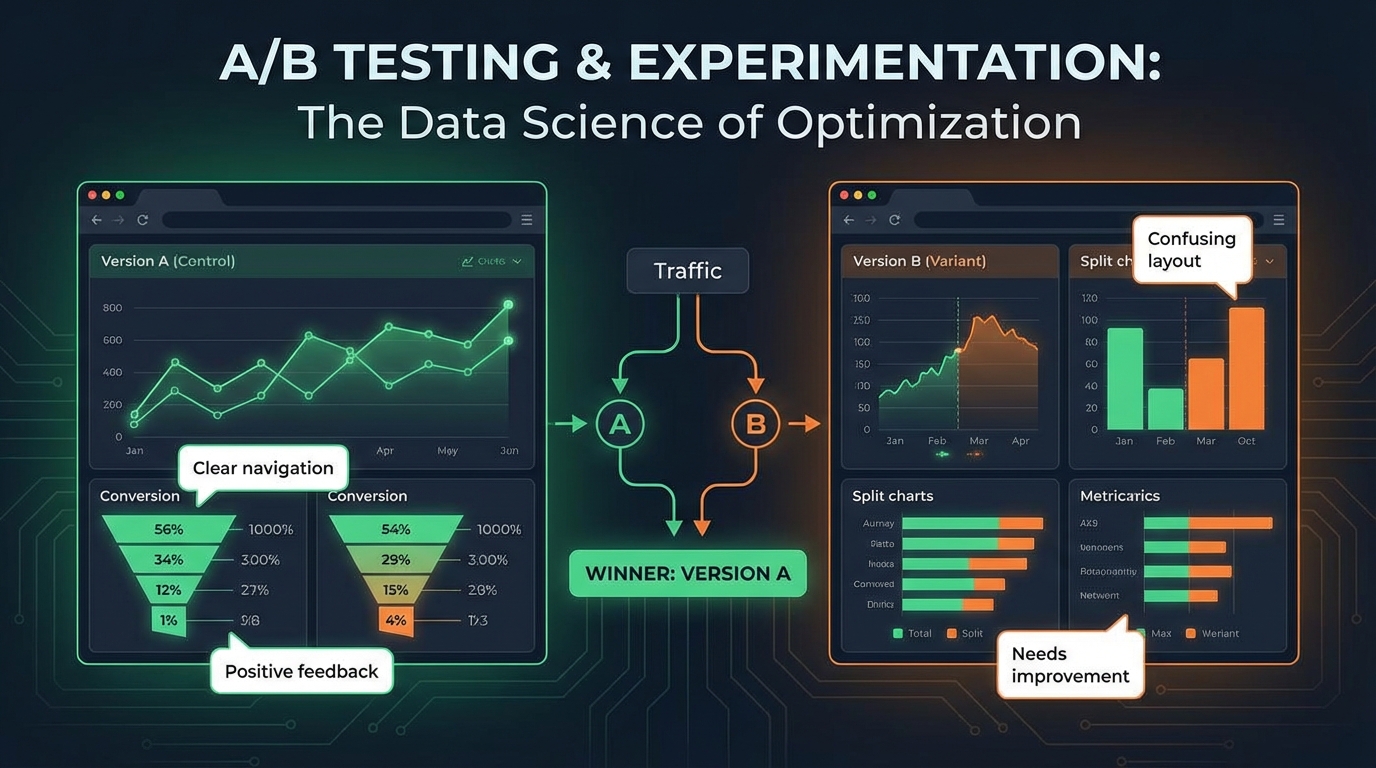
Combine user feedback with A/B test metrics to understand not just what wins, but why. Make better decisions with complete experiment context.
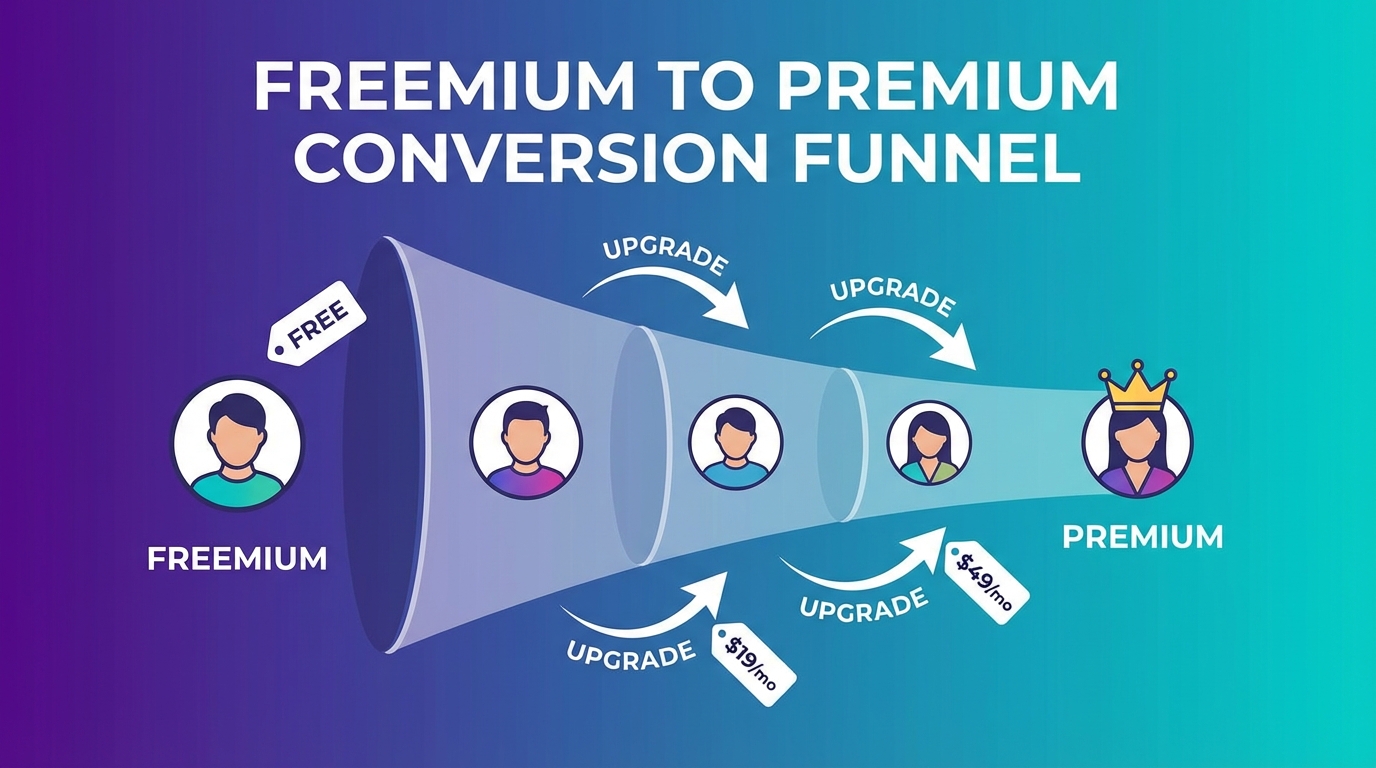
Use targeted feedback collection to understand why free users don't upgrade, then address those barriers systematically. Convert more trials with data.
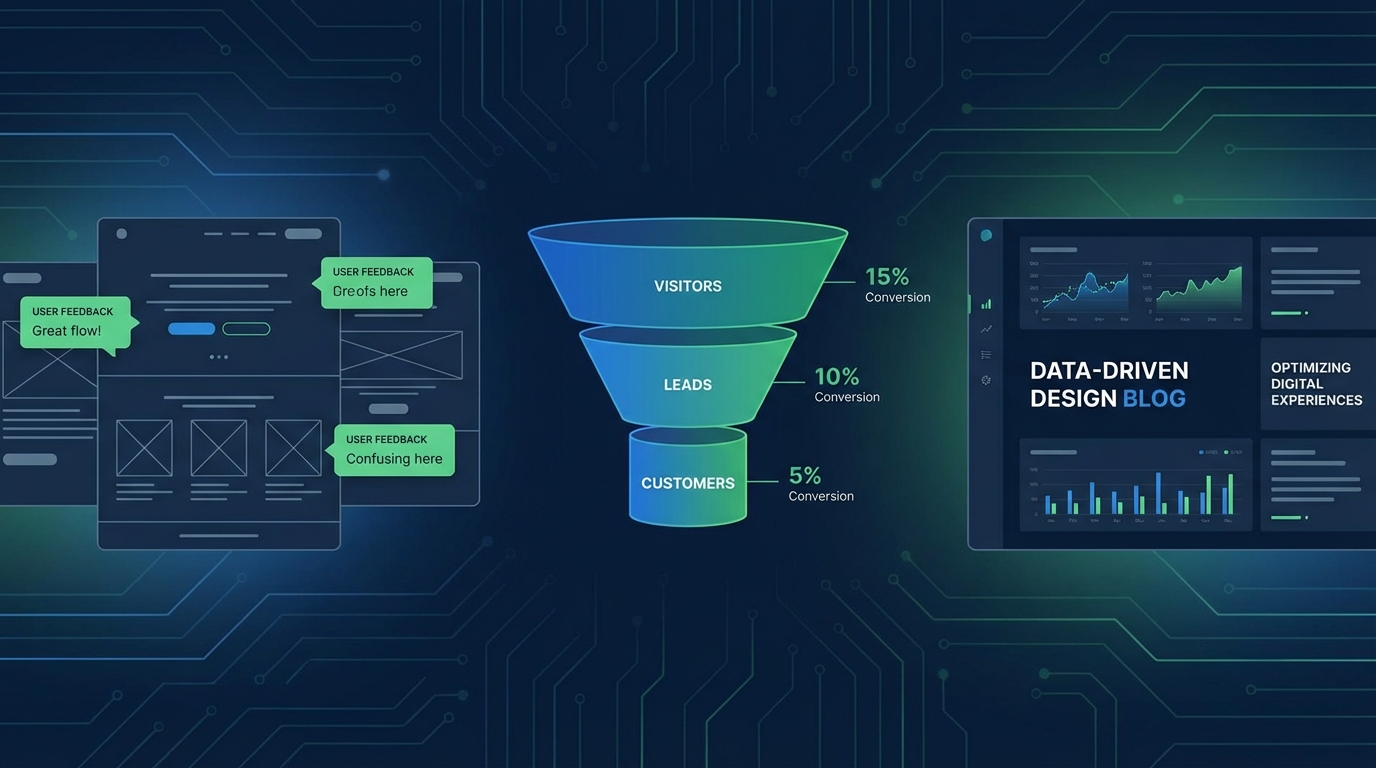
Learn how micro-surveys and exit intent feedback can dramatically improve landing page conversion rates. Data-driven optimization beyond A/B testing.
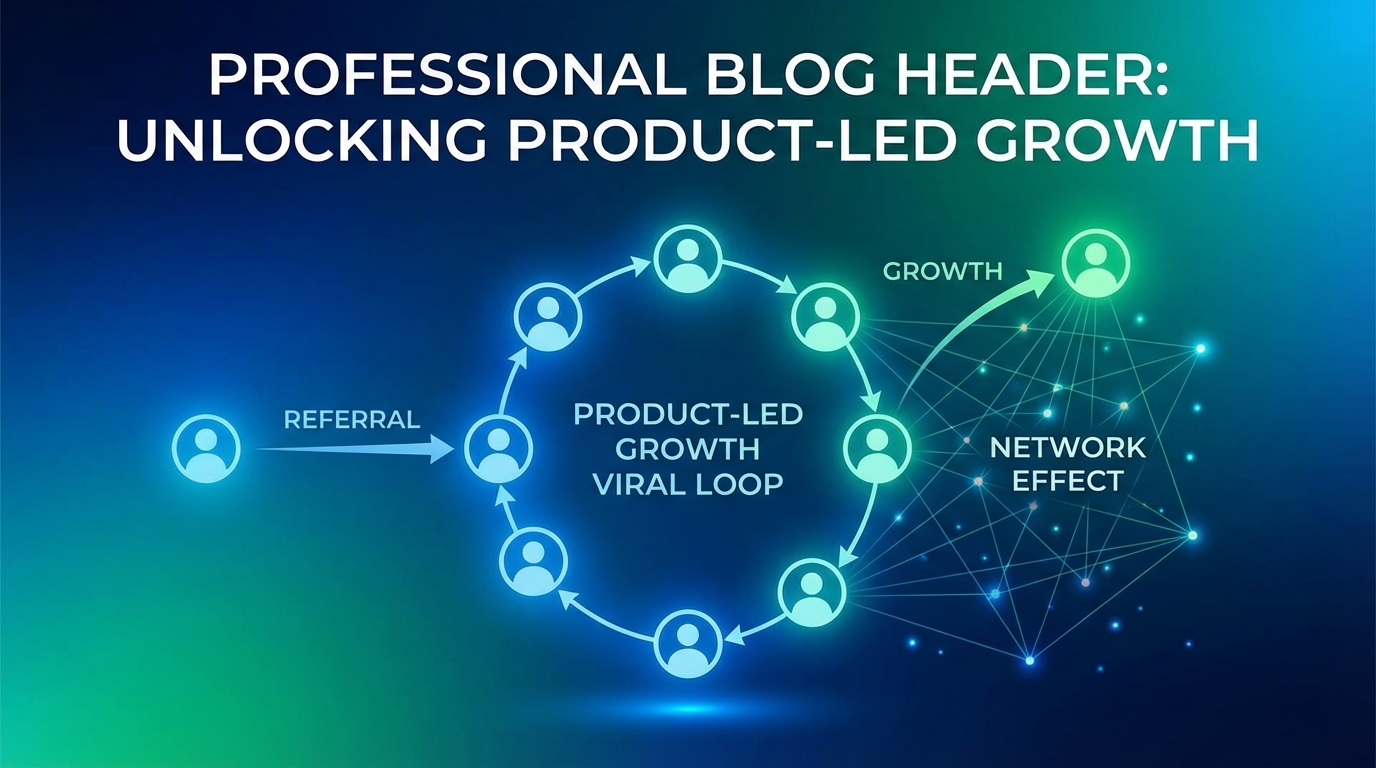
Turn satisfied users into growth engines by integrating feedback loops that drive referrals, word-of-mouth, and organic expansion. PLG meets voice of customer.
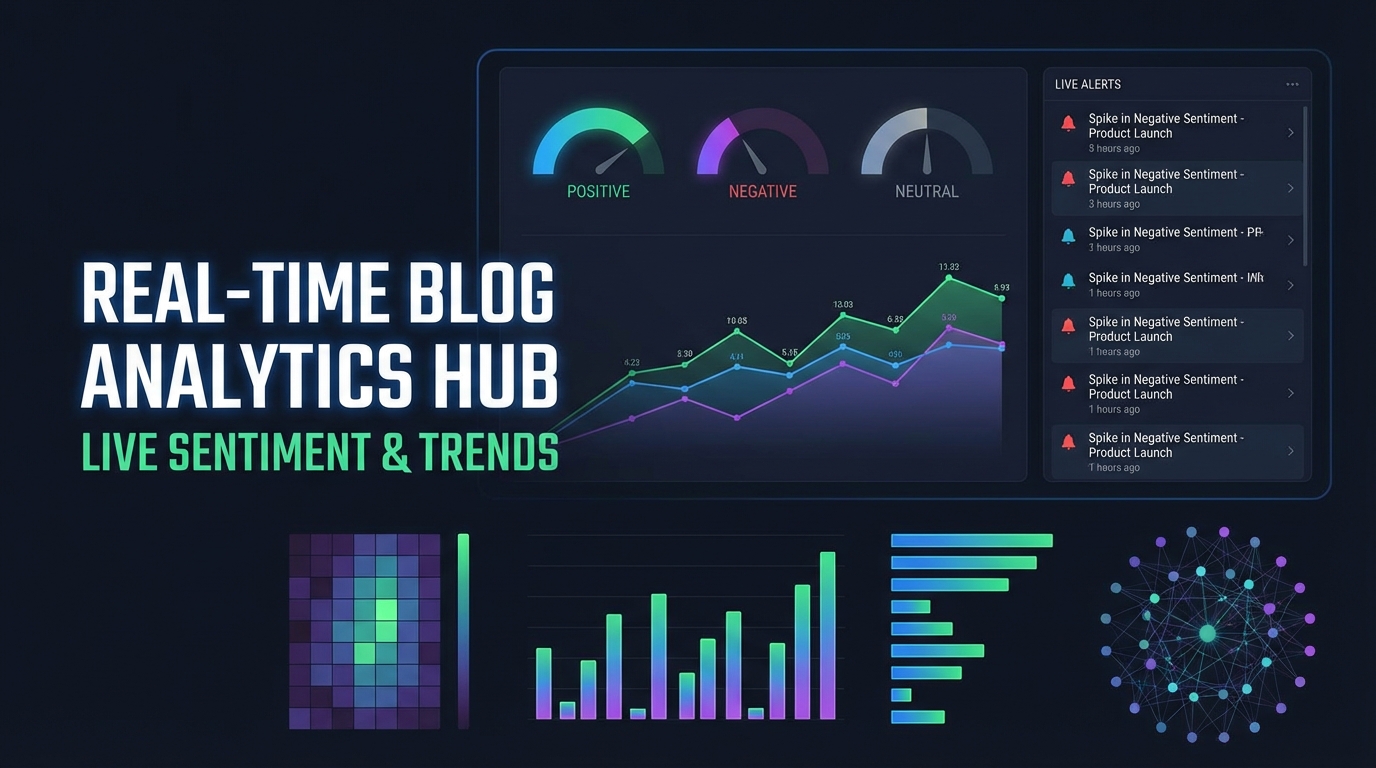
Build dashboards that show user mood as it happens, not weeks later in reports. Monitor sentiment at scale and respond before problems escalate.
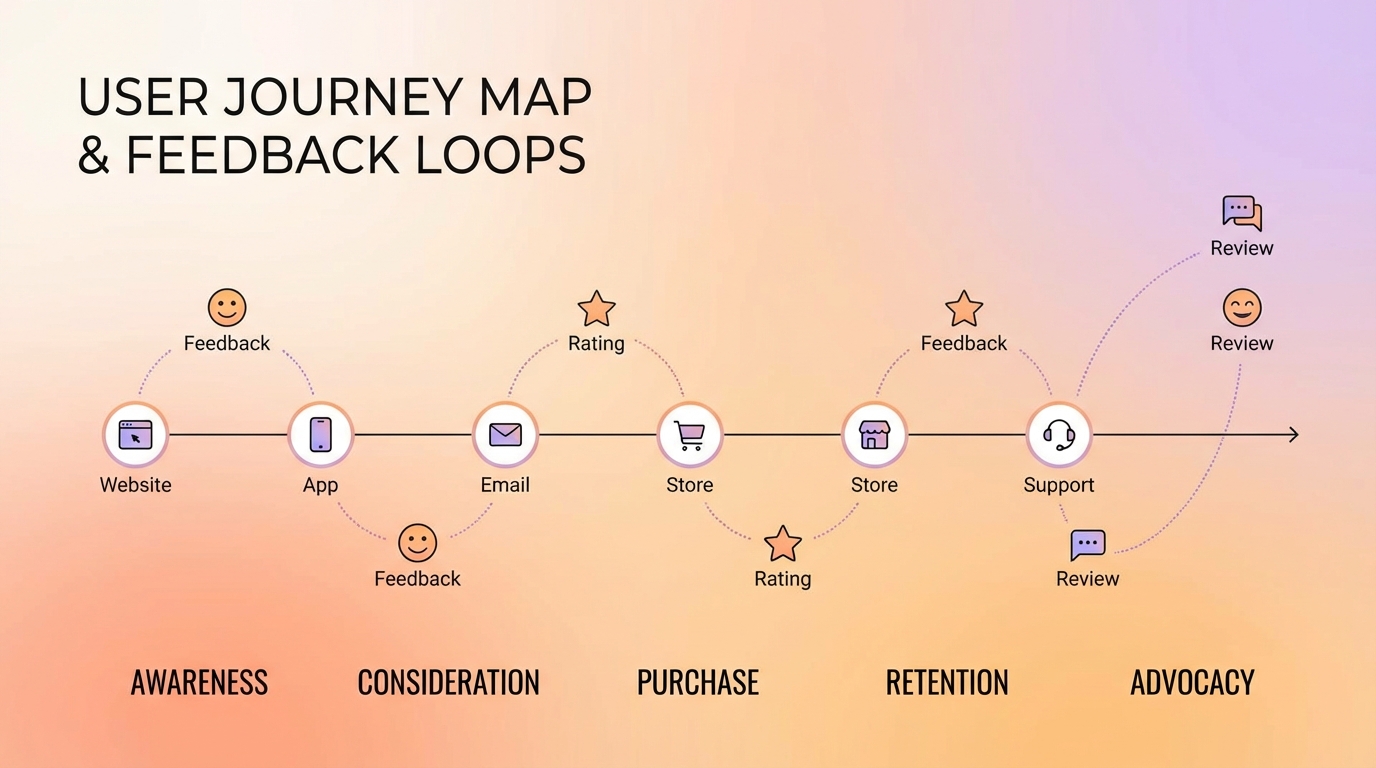
Learn where to place feedback collection across the user lifecycle for maximum insight with minimum friction. A systematic approach to journey-based feedback.
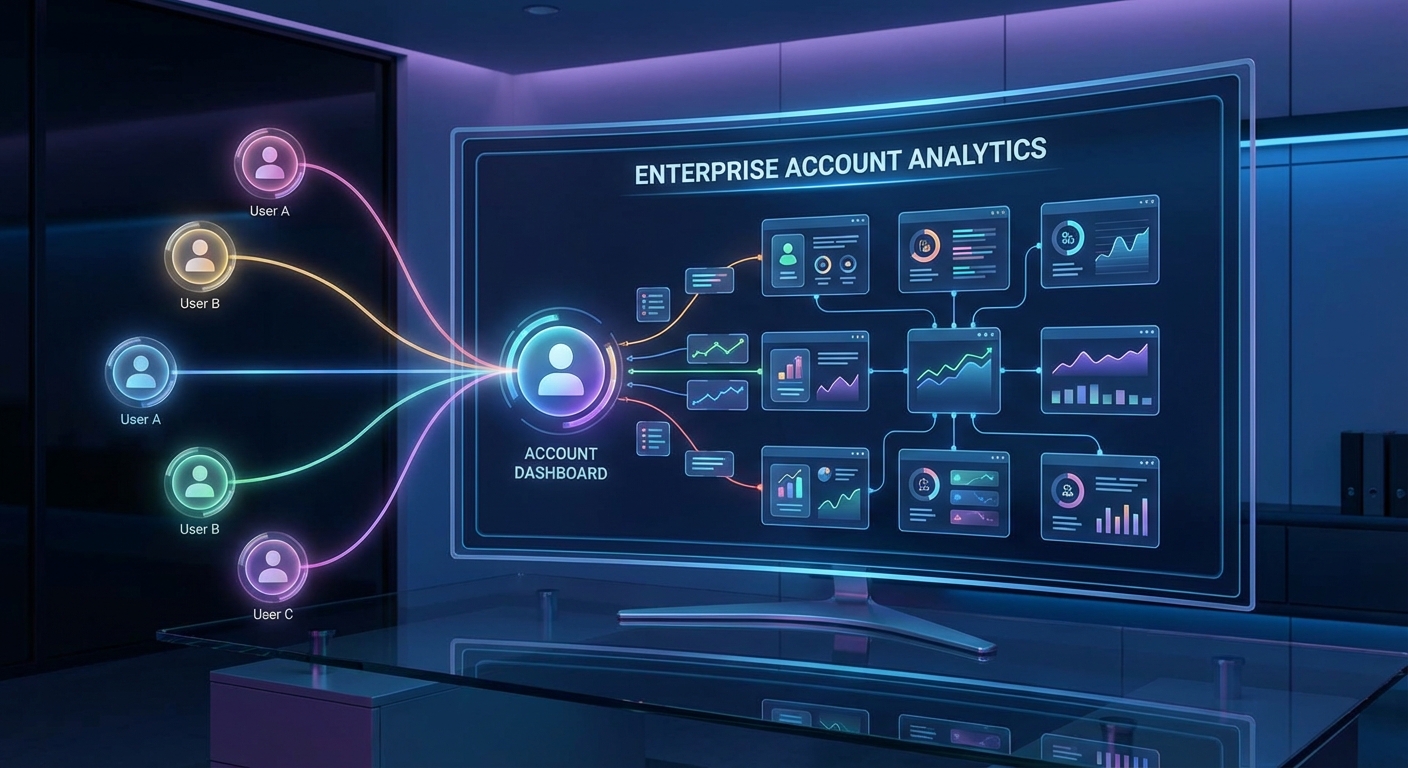
How to aggregate individual user feedback into account-level insights for B2B SaaS. Identify at-risk accounts, expansion opportunities, and champion voices.
How to embed user feedback into every team's workflow. Transform feedback from a product team responsibility into an organizational capability.

Extract competitive insights from organic user feedback—comparisons, switching triggers, feature gaps, and positioning opportunities hidden in everyday conversations.

Developers hate surveys but love fixing problems. Learn how to collect actionable feedback from technical users through GitHub issues, API logs, and community channels.

How to collect and use feedback during service disruptions. Balance communication, gather impact data, and emerge with stronger customer relationships and clearer priorities.
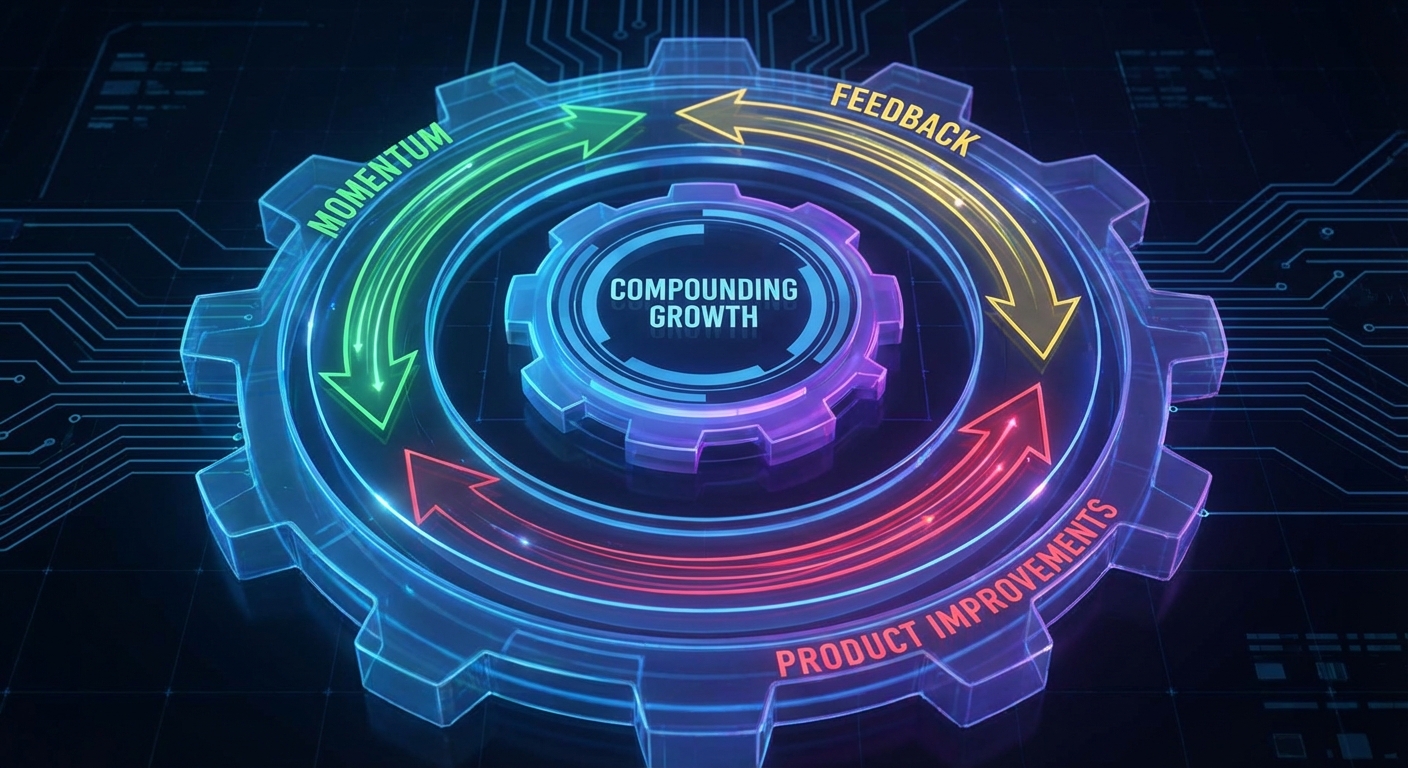
Build a self-reinforcing cycle where feedback improves product, which attracts users, who provide more feedback. The compounding effect that accelerates PMF.
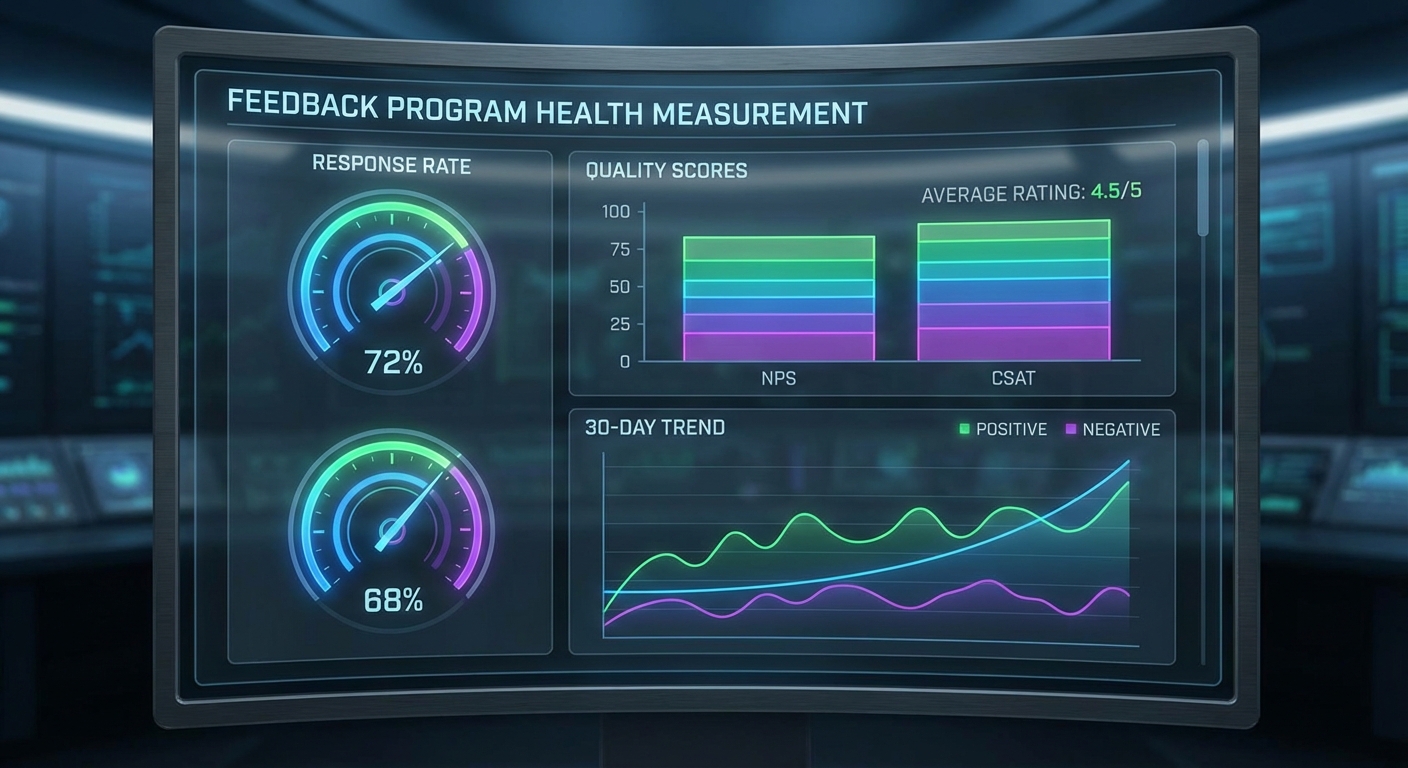
The essential metrics for measuring feedback program health. Benchmark your response rates, assess feedback quality, and track actionability for continuous improvement.
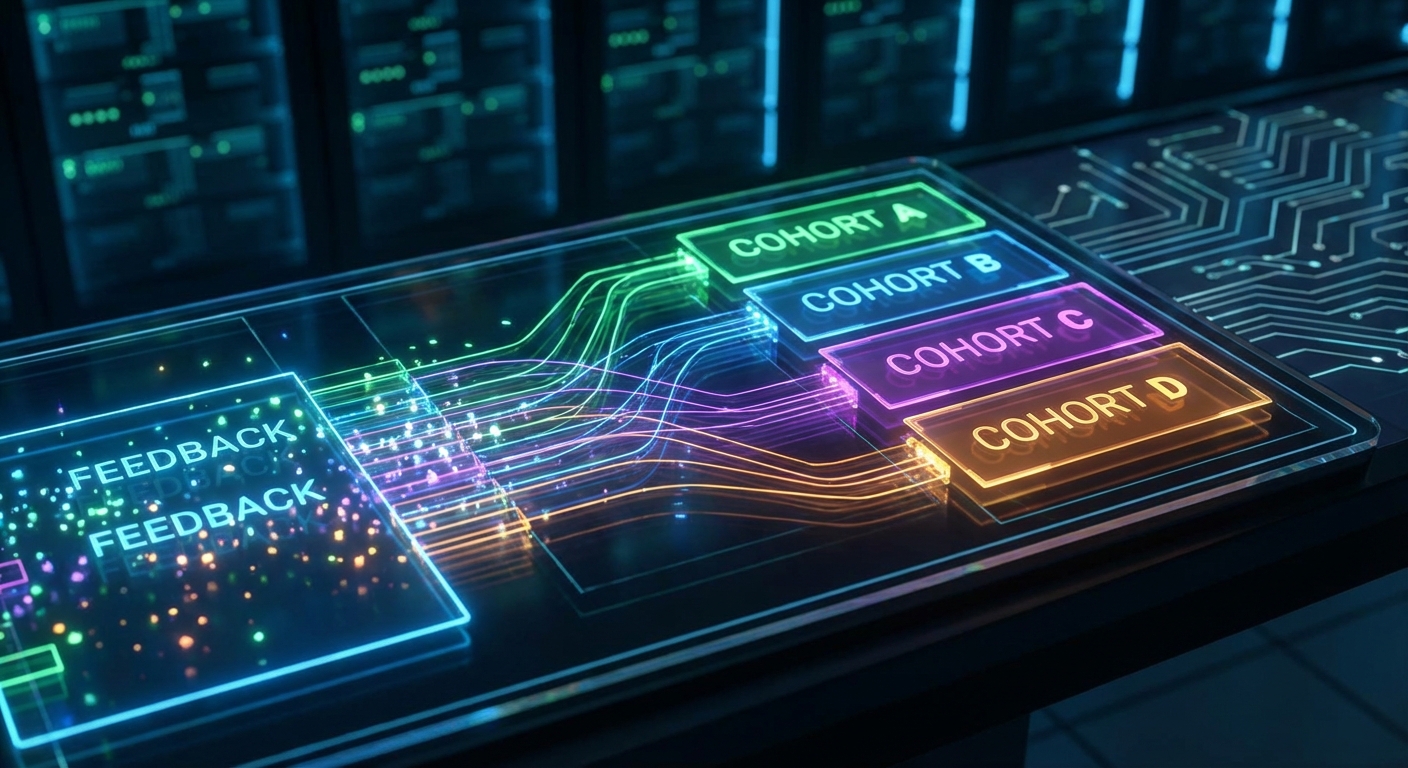
How to slice feedback data by user segments to uncover patterns invisible in aggregate. Turn noise into actionable insights for each customer type.
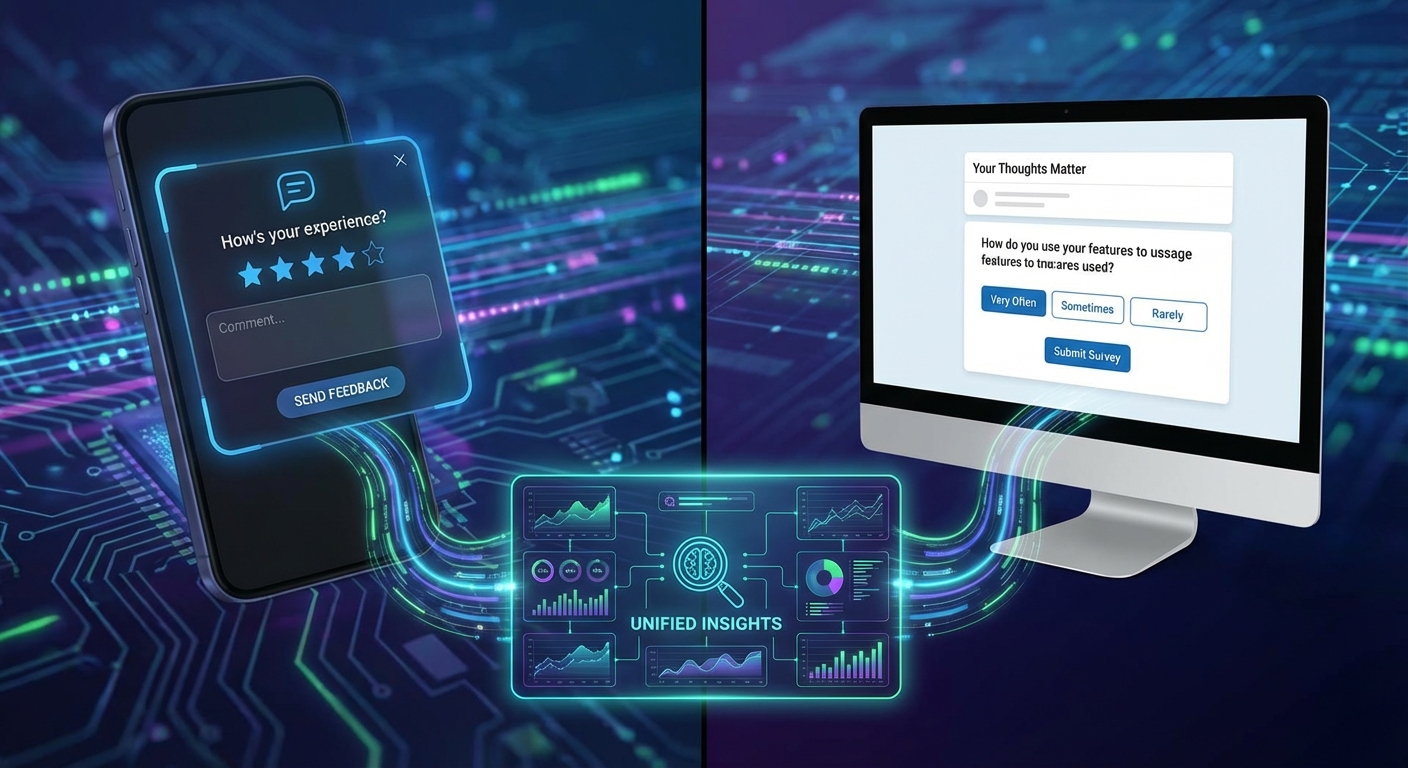
When to use in-app widgets vs email surveys. Compare response rates, quality differences, and build a multi-channel feedback strategy that maximizes insights.

How single-question surveys achieve 3-5x higher response rates while delivering actionable insights. Master timing, question design, and progressive disclosure.

How closing the feedback loop—acknowledging input, sharing roadmap influence, and celebrating shipped features—builds loyalty and encourages ongoing engagement.
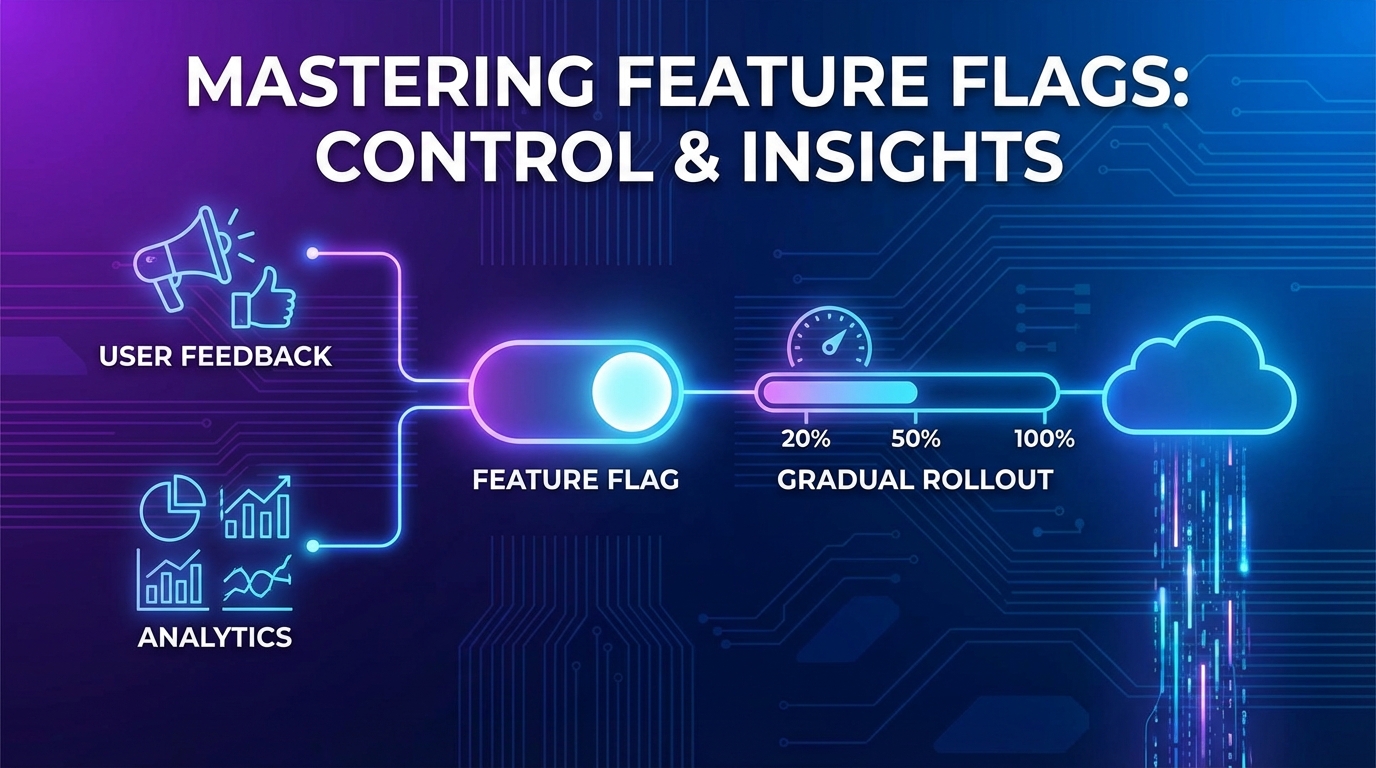
Learn how to pair feature flag rollouts with targeted feedback collection to measure impact and catch regressions before full deployment.
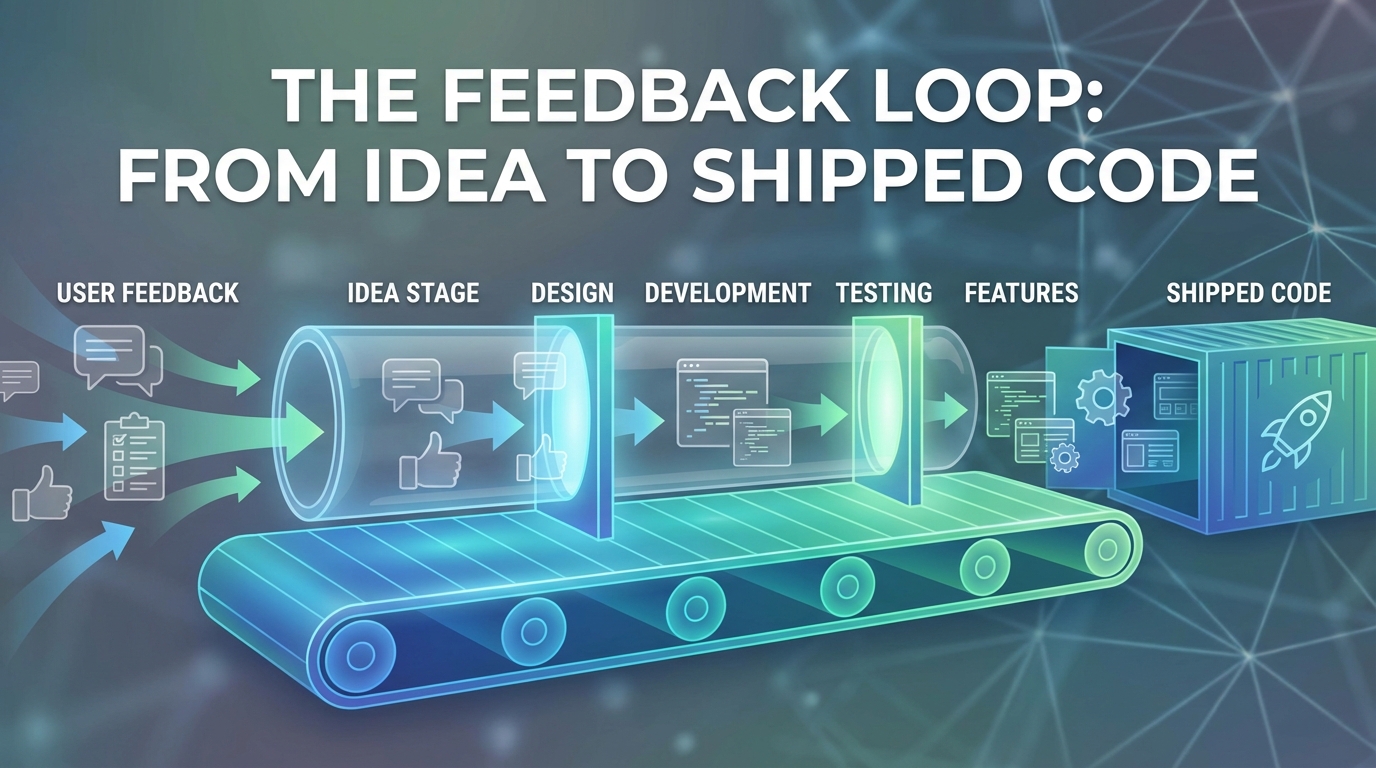
End-to-end workflow from feedback collection through prioritization, specification, development, and closing the loop with users who requested features.

For companies with multiple products—how to collect, route, and synthesize feedback without fragmenting intelligence across silos.
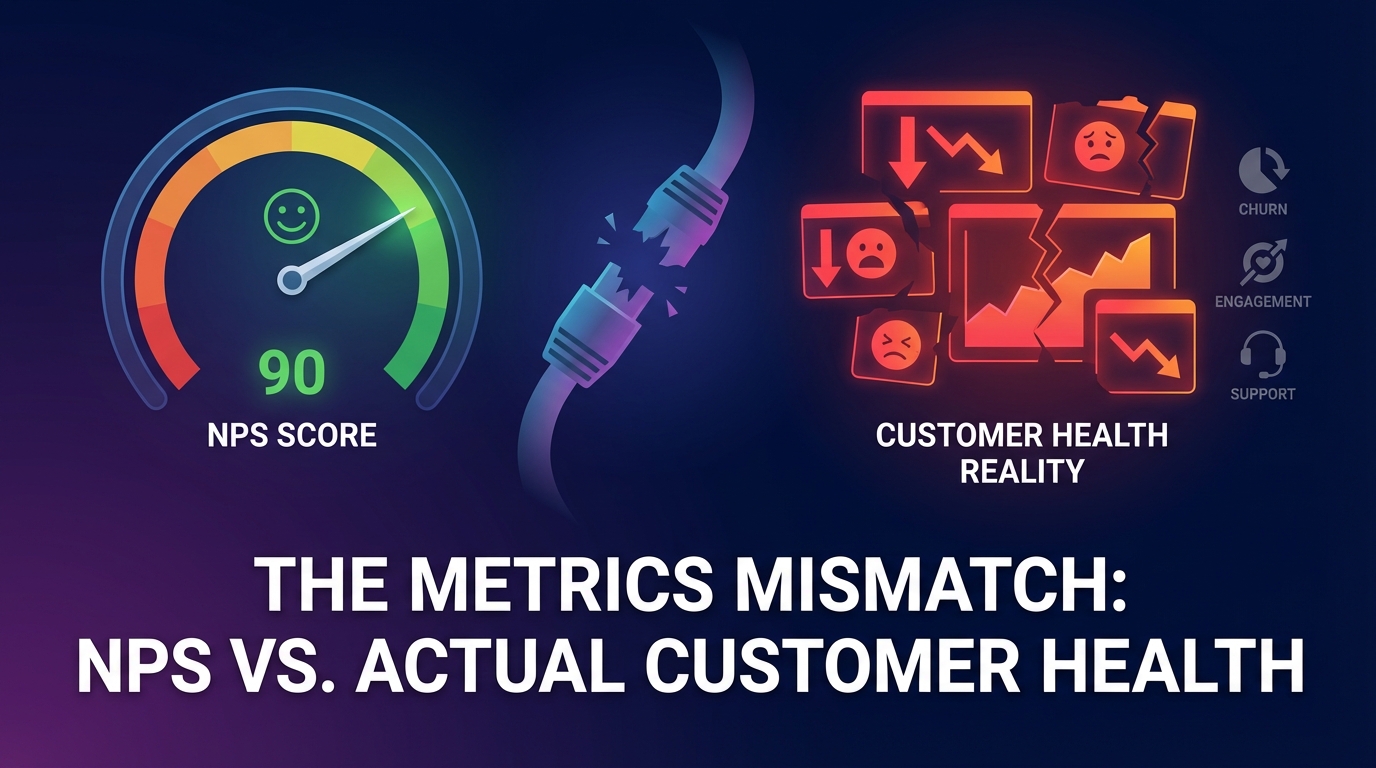
NPS is overrated as a retention metric. Learn which leading indicators actually predict churn and how to build a composite customer health score.
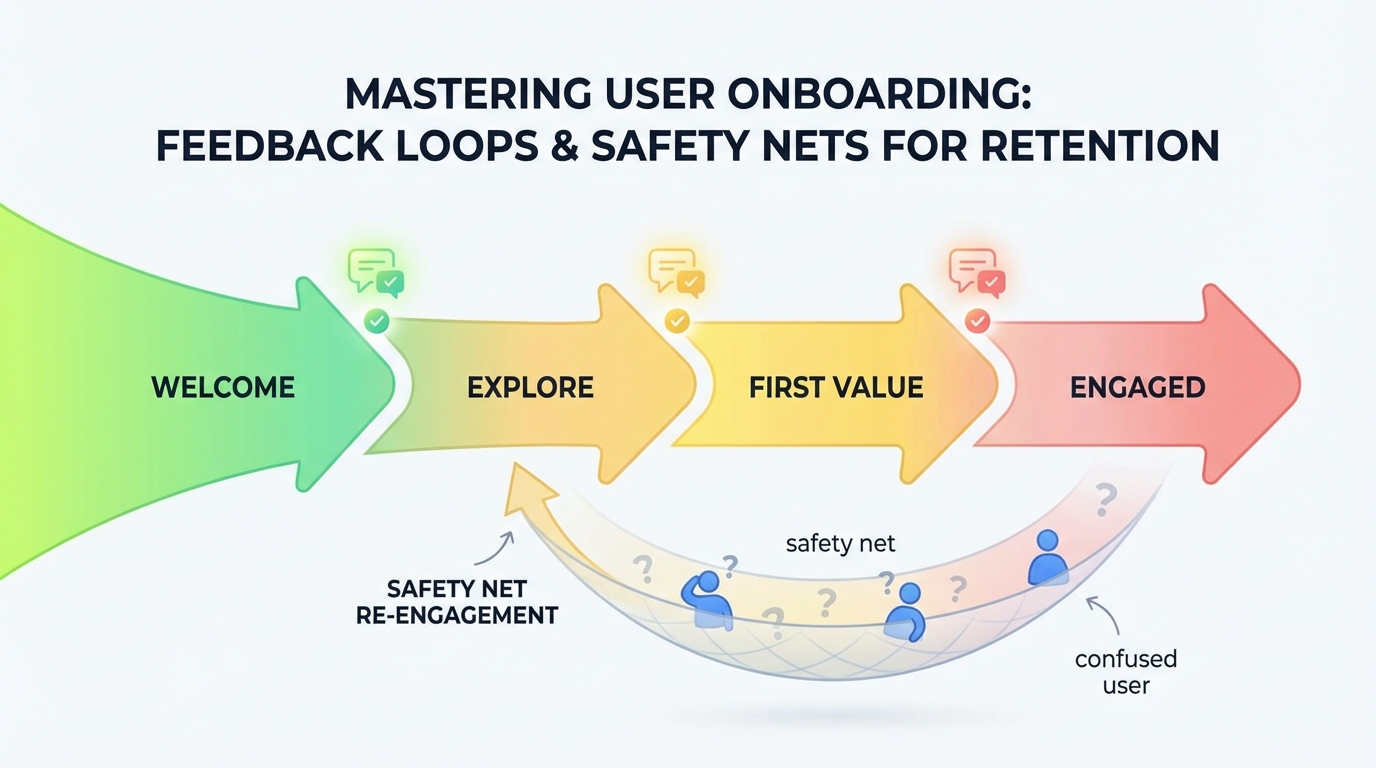
Tactical guide to collecting feedback during the critical first 7 days. Learn where to ask, what to ask, and how to act fast to prevent early churn.

Pricing Feedback Without Asking About Price: Indirect Signals That Reveal Willingness to Pay
Learn how to gauge price sensitivity through feature prioritization, value-first framing, and behavioral signals without asking users about price directly.
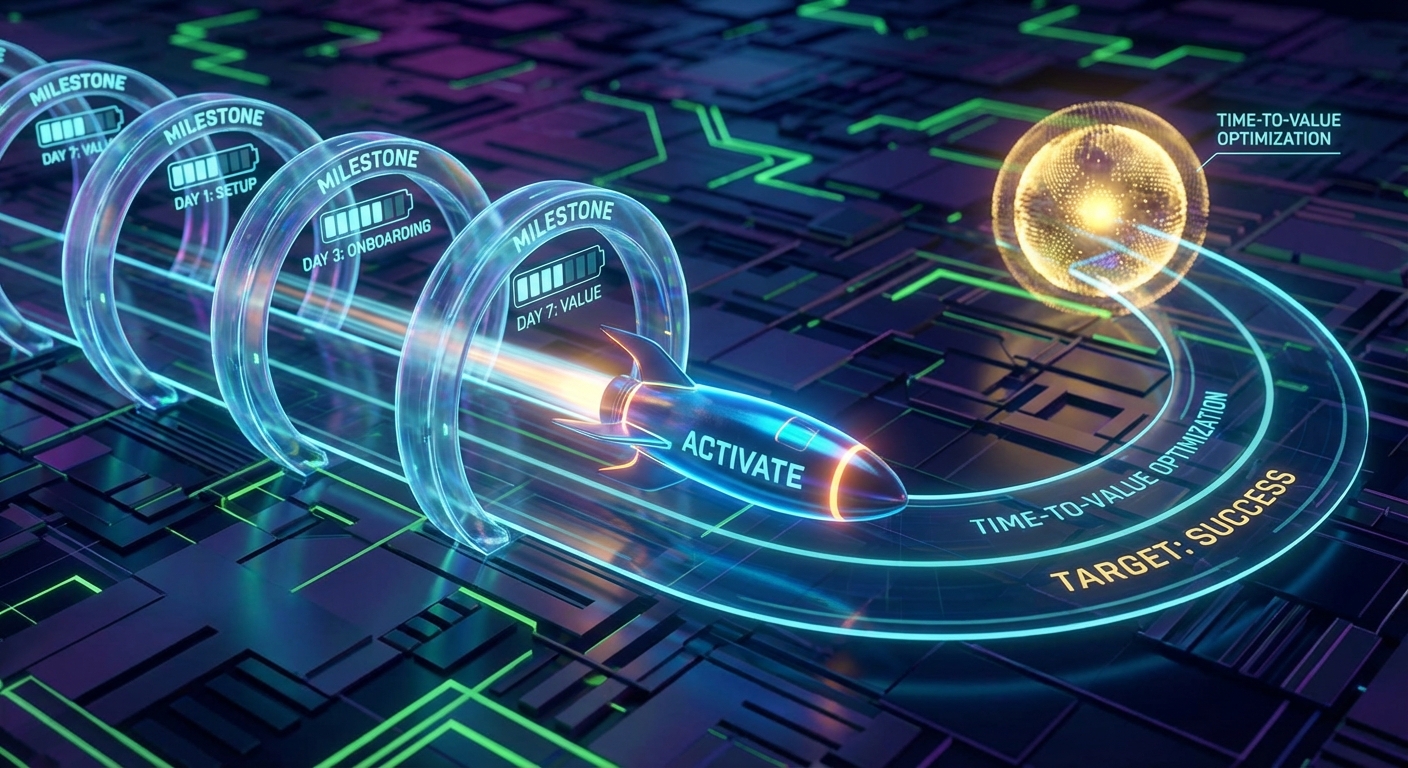
How feedback at key activation moments identifies blockers and guides users to their 'aha moment' faster. Cut time-to-value by 40%.

Learn techniques for mining support conversations for feature gaps, UX friction, and documentation needs using AI categorization and pattern analysis.
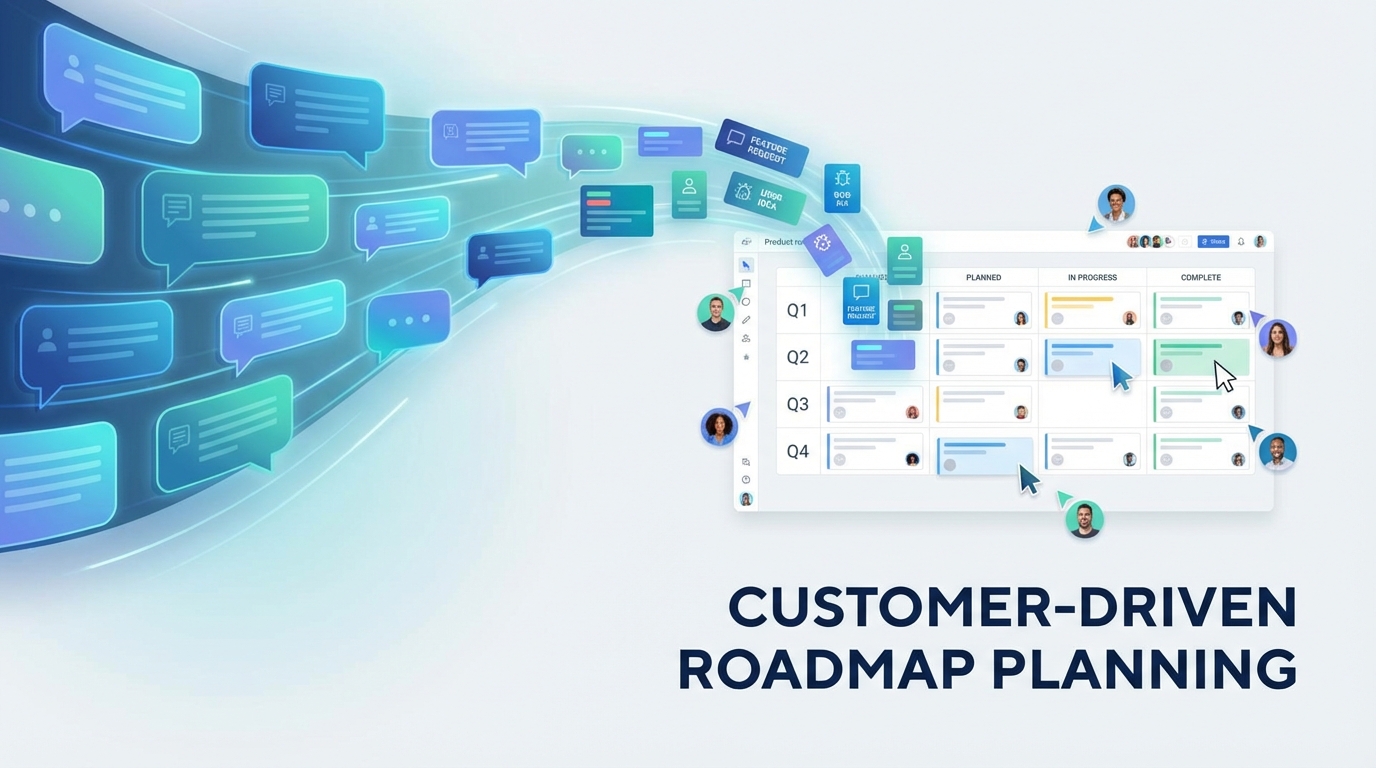
Learn how to systematically collect, organize, and present user feedback so product decisions are data-driven. Includes stakeholder buy-in strategies.
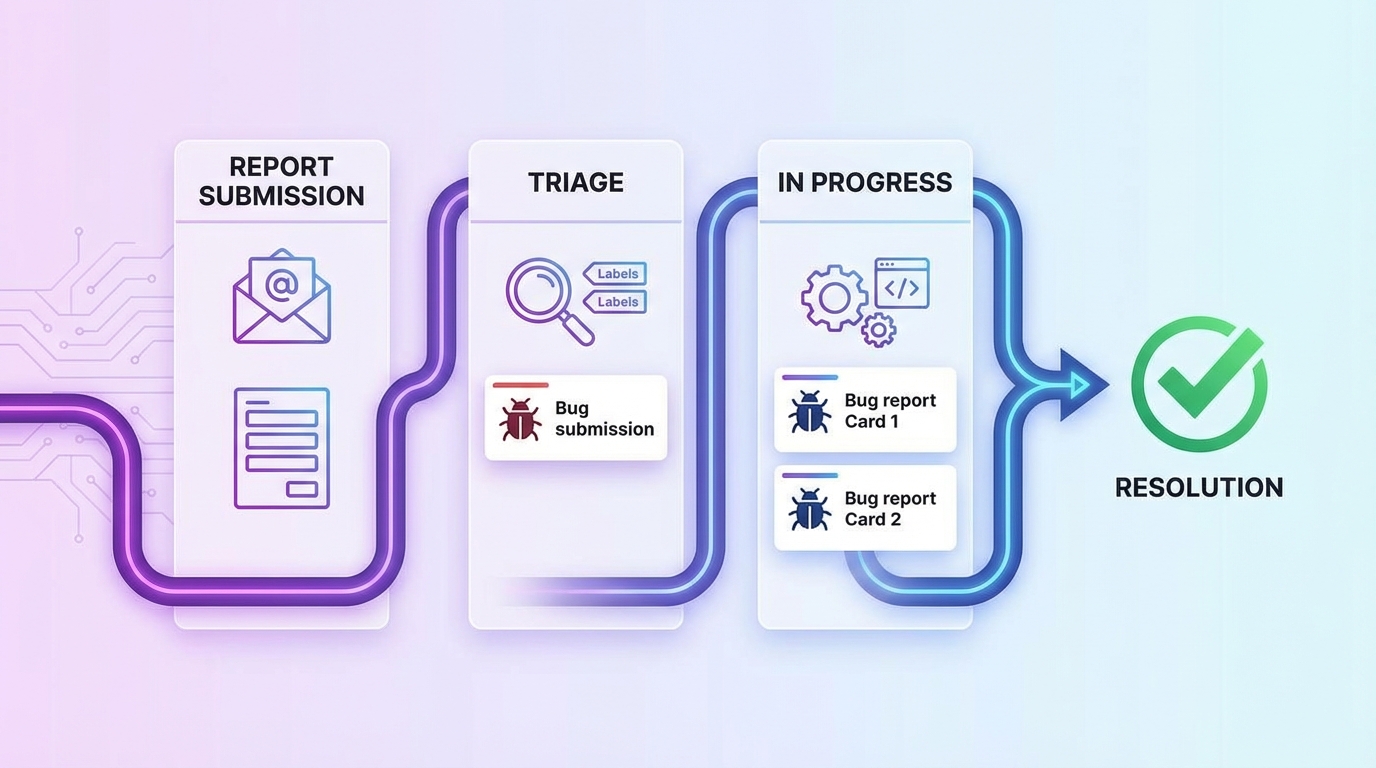
Learn how to structure bug reports for faster resolution with AI auto-categorization and user communication. Reduce triage time by 60%.
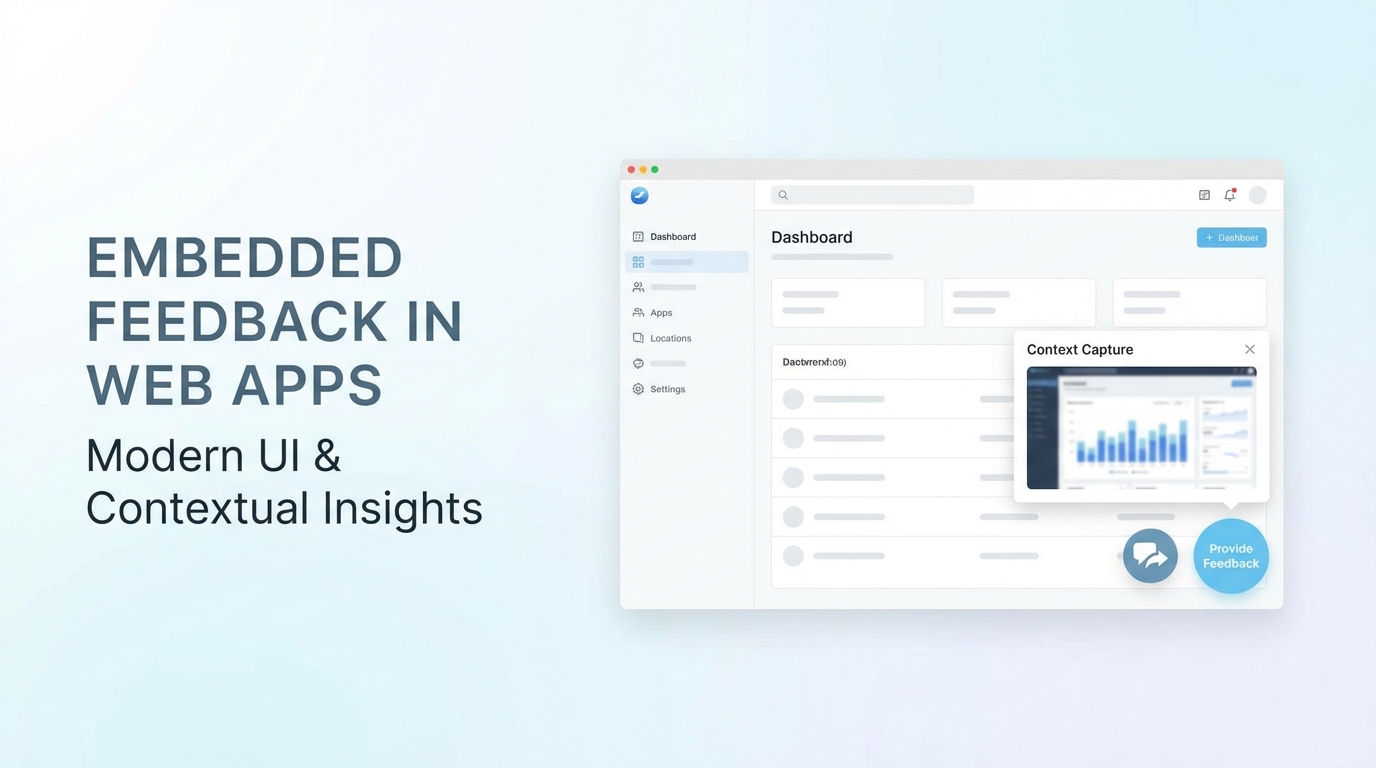
Technical guide to embedding lightweight feedback widgets that capture context automatically. Reduce friction to zero and increase feedback quality by 3x.
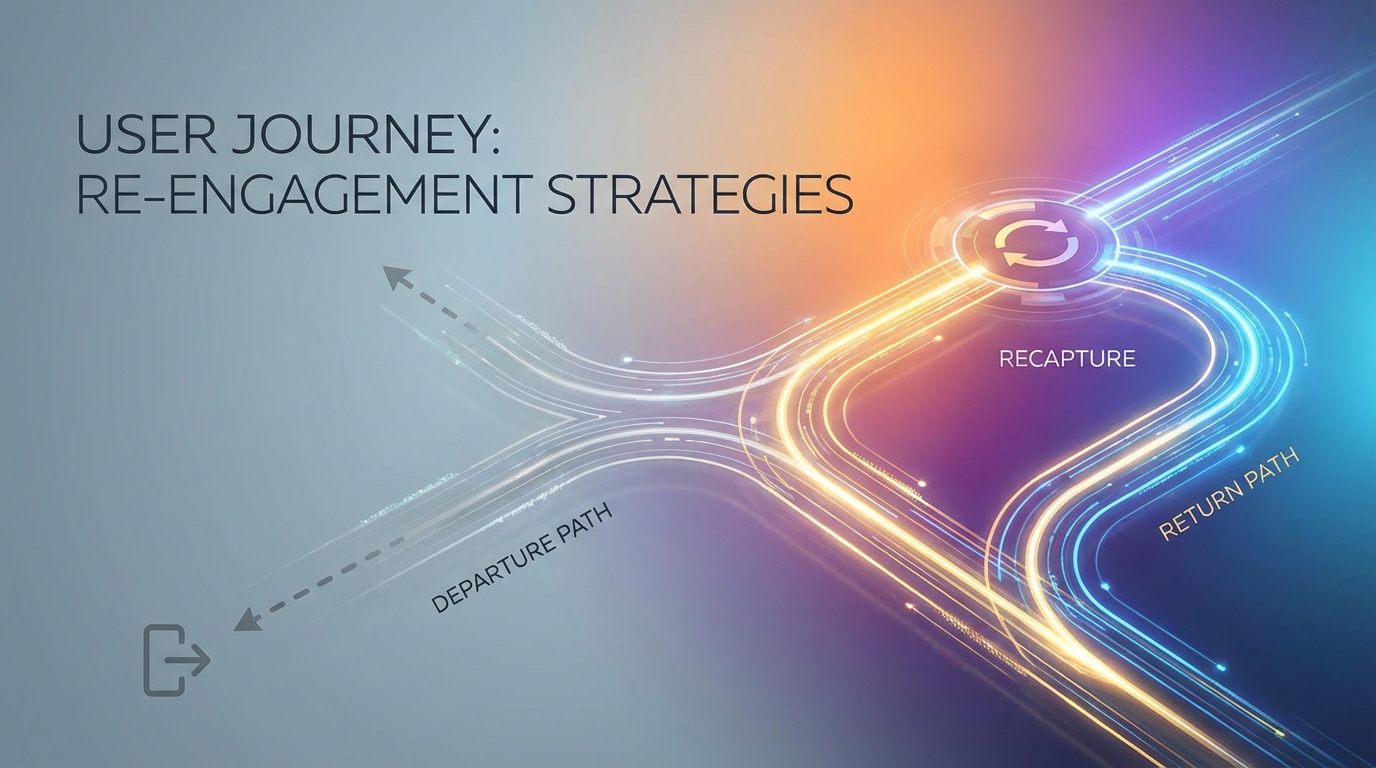
Learn why users leave, how to ask the right exit questions, and AI-powered strategies for win-back campaigns. Reduce churn by understanding it first.
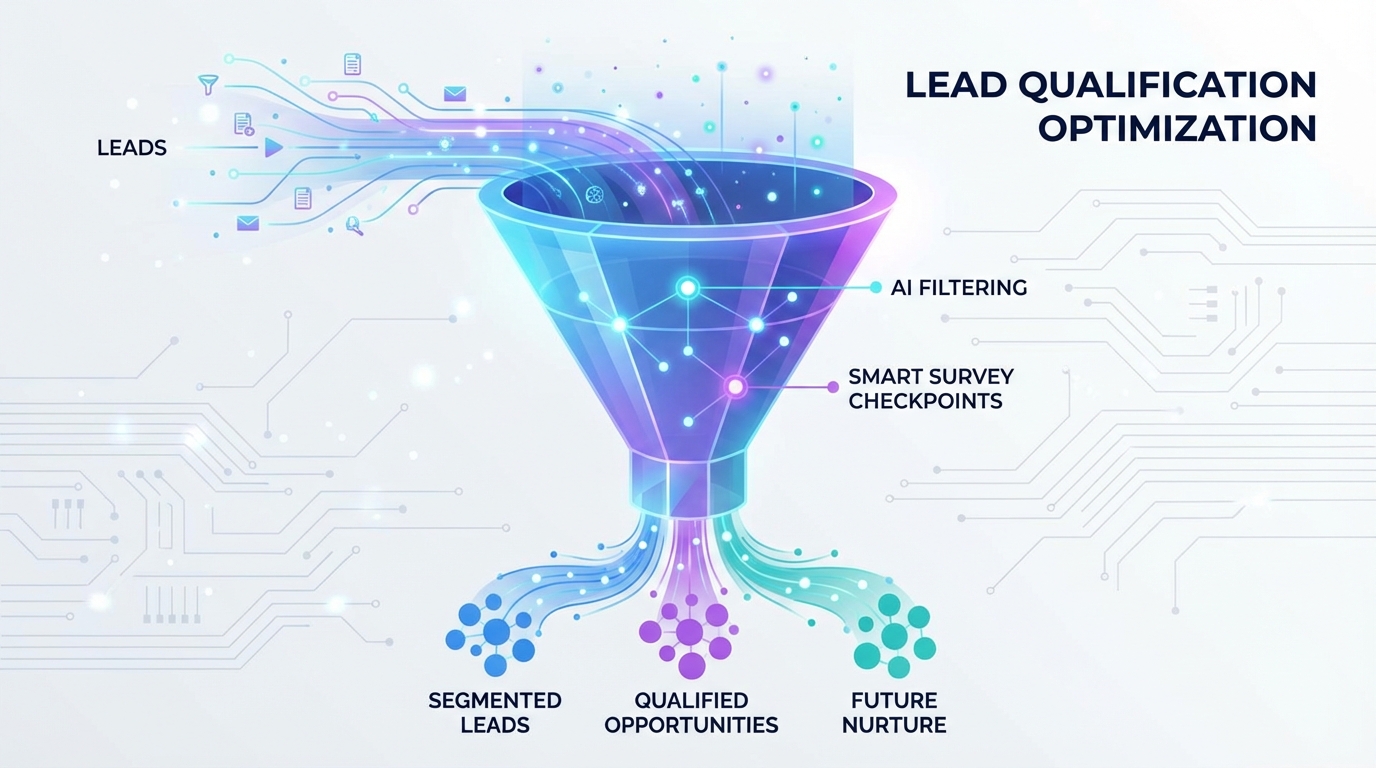
Learn how AI-powered surveys segment users by problem urgency, budget, and fit. Feed better leads to sales and product teams with intelligent qualification.
Learn proactive security monitoring for SaaS applications. Covers threat detection signals, anomaly patterns, and AI-powered alerting strategies.
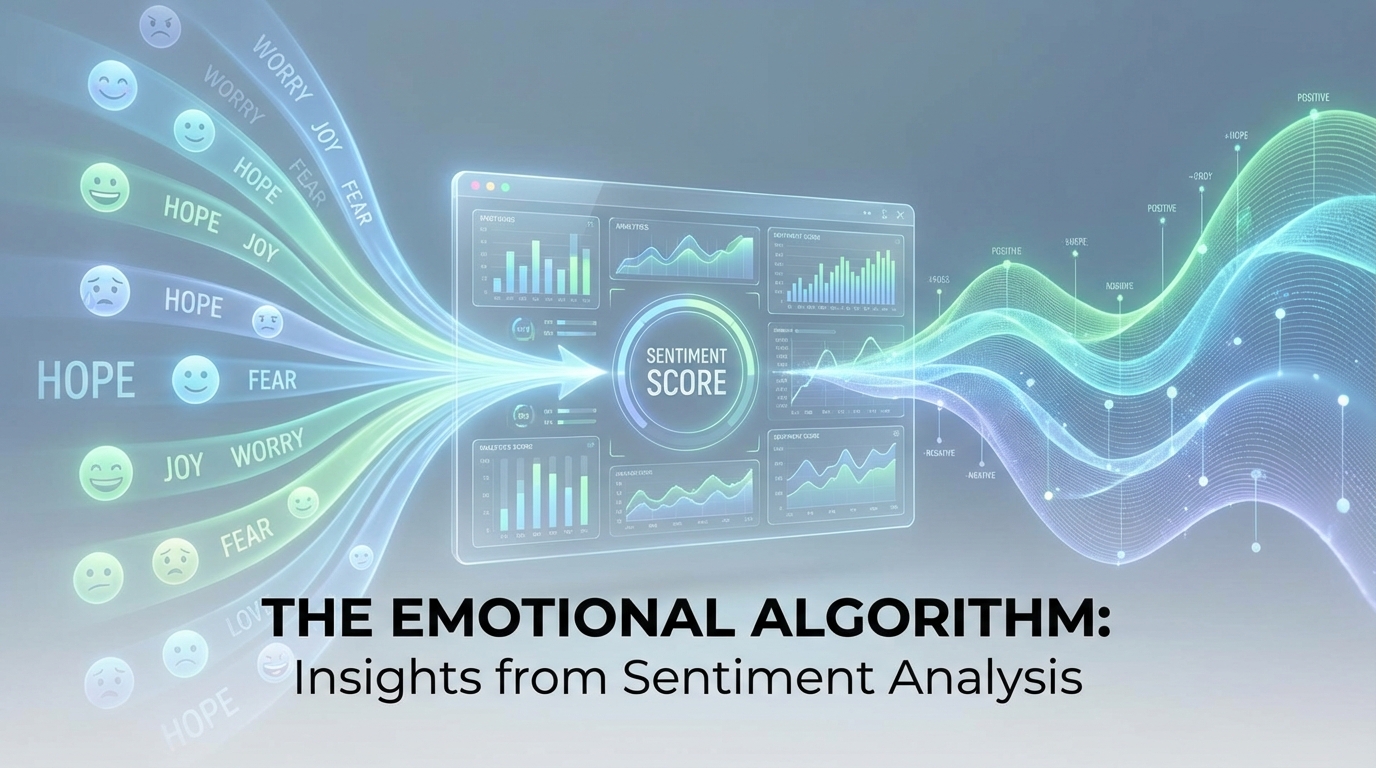
Learn passive sentiment collection through support interactions, usage patterns, and micro-feedback. Reduce surveys by 70% while improving insight quality.
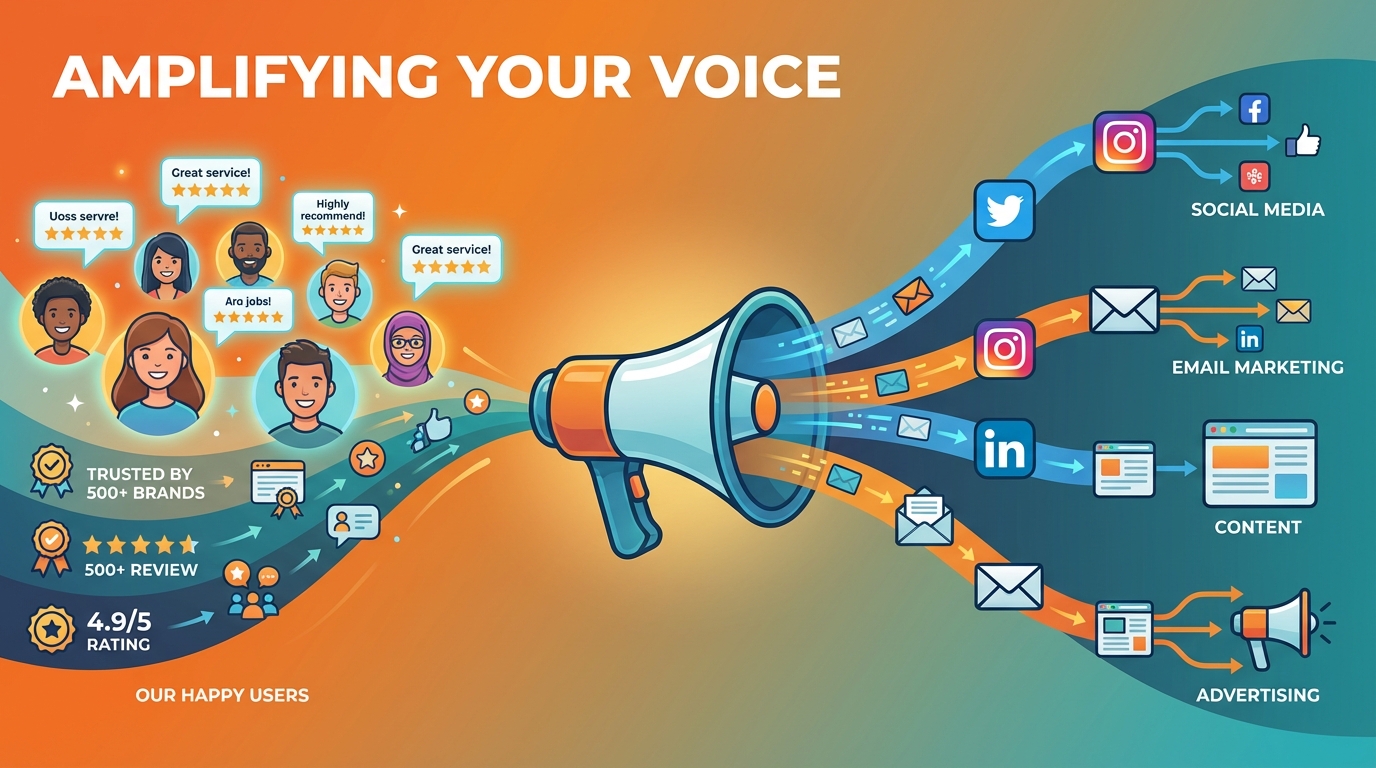
Learn when and how to ask for testimonials, identify your happiest users with AI, and amplify social proof across channels. Convert satisfaction into growth.
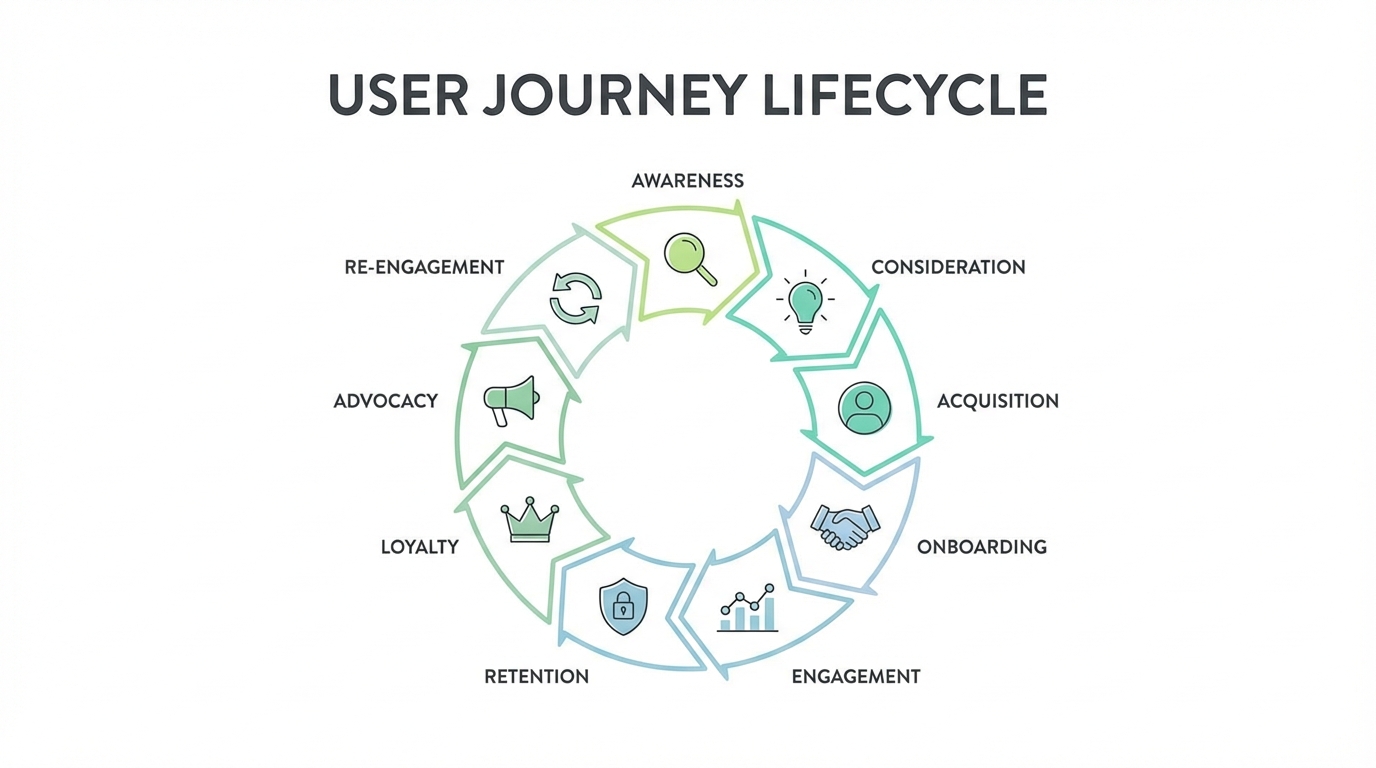
Discover the 9-stage user journey lifecycle for collecting feedback from attract to recapture. Build products users love with continuous insights.

Waitlists do more than manage demand. Learn how to use the anticipation phase for lead qualification, feature validation, and early feedback collection.
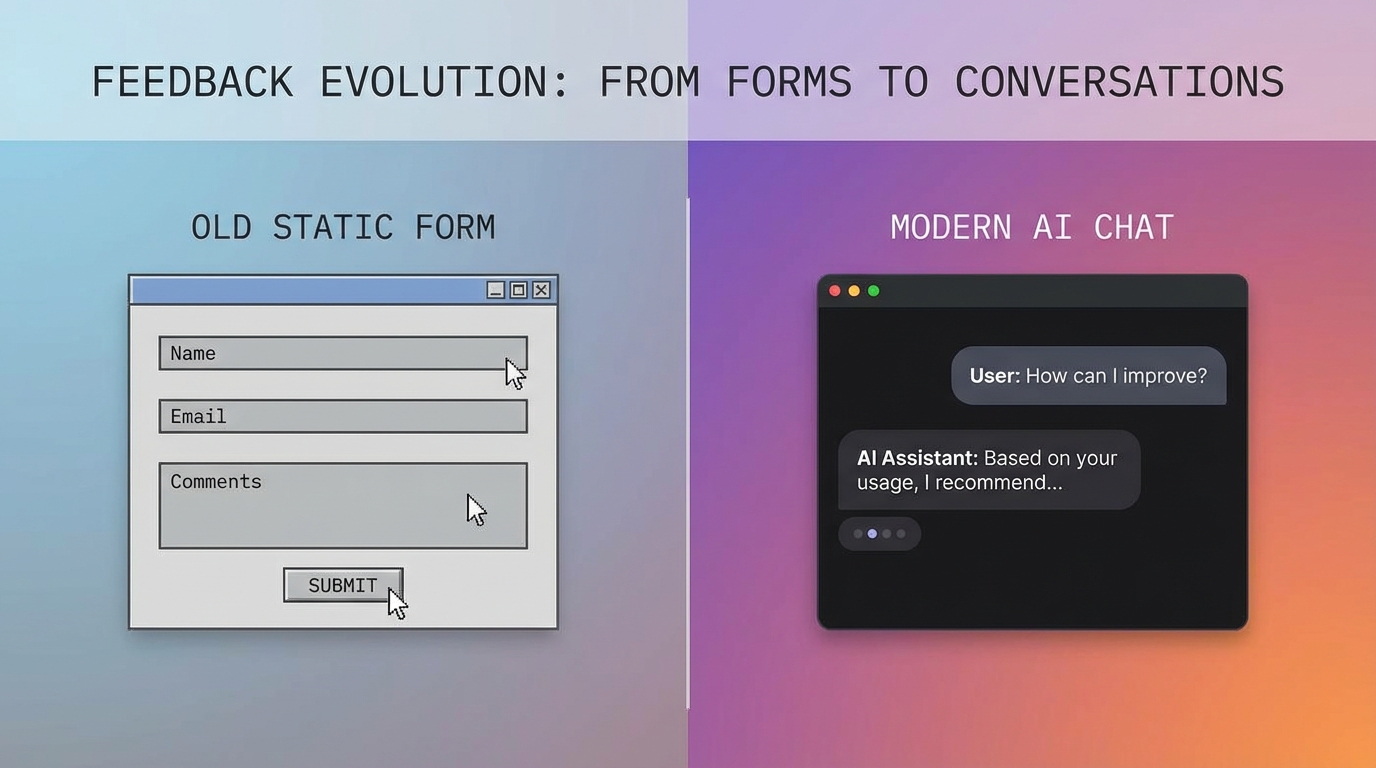
Traditional feedback forms collect data but miss context. Learn why conversational AI captures richer insights and how to implement it in your product.
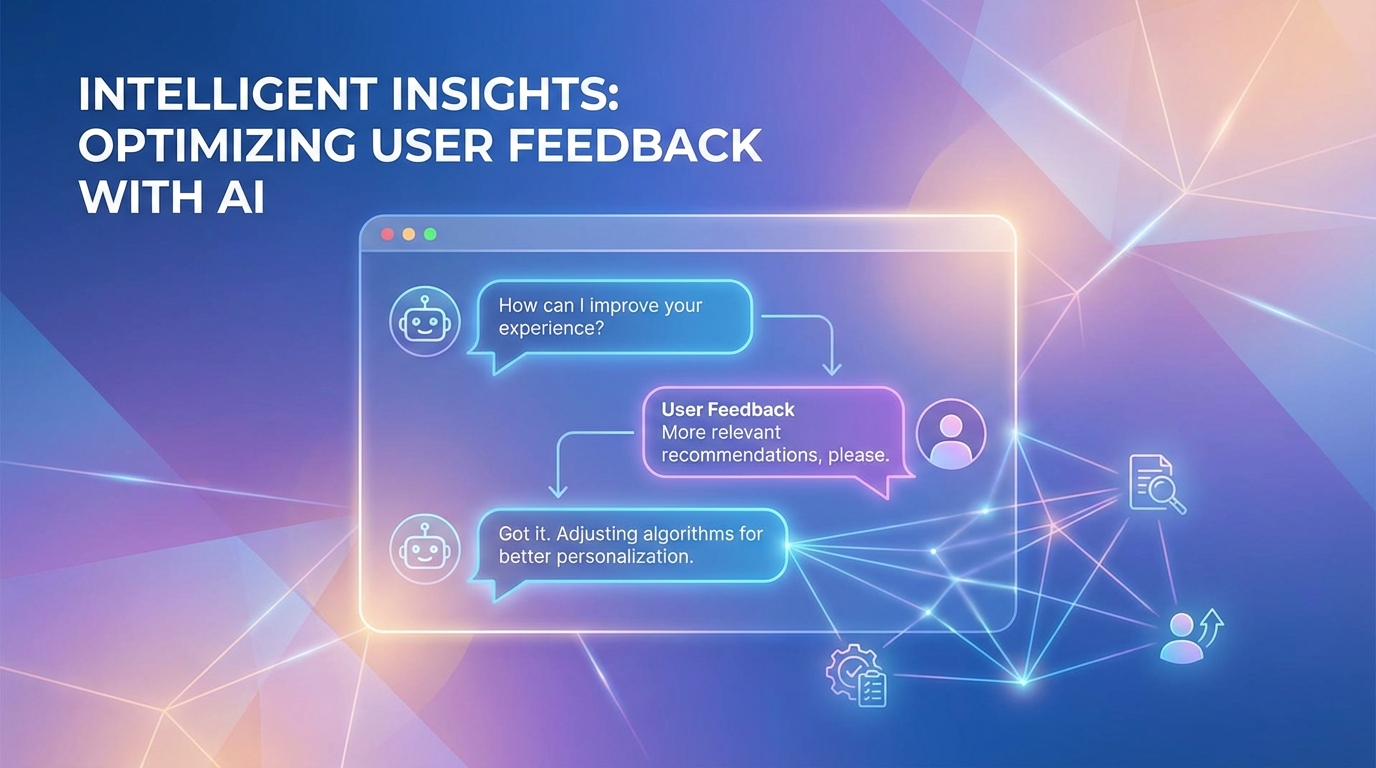
Discover how AI-powered conversational feedback extraction transforms raw user requests into strategic product insights by uncovering situation, motivation, workaround, and friction using the Jobs-to-be-Done framework.
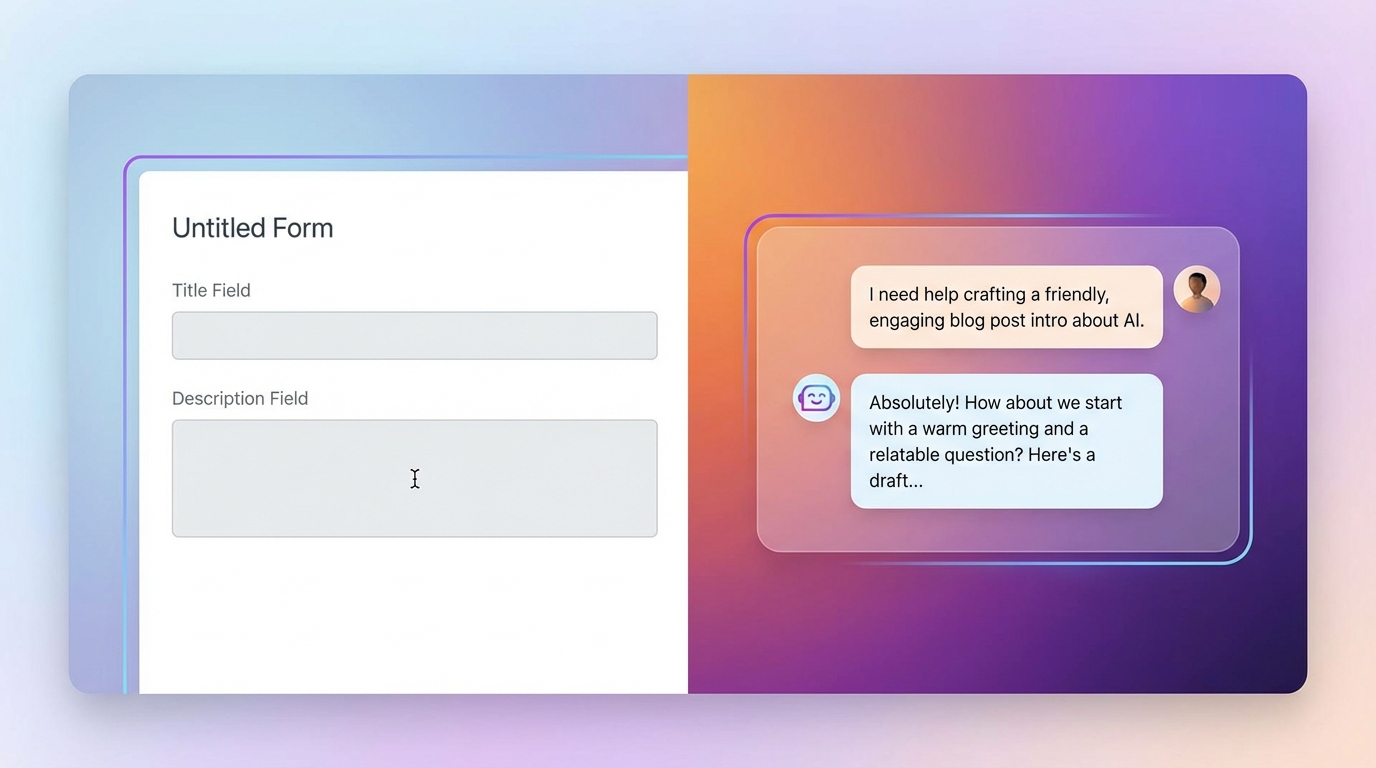
Compare traditional feedback forms with AI conversational interfaces. Discover how dialogue-based feedback collection uncovers user motivation, context, and workarounds that static forms miss entirely.

Learn how to protect customer feedback with a 5-layer security architecture. Covers OWASP best practices, CSRF protection, rate limiting, input validation, and authentication for SaaS feedback widgets.
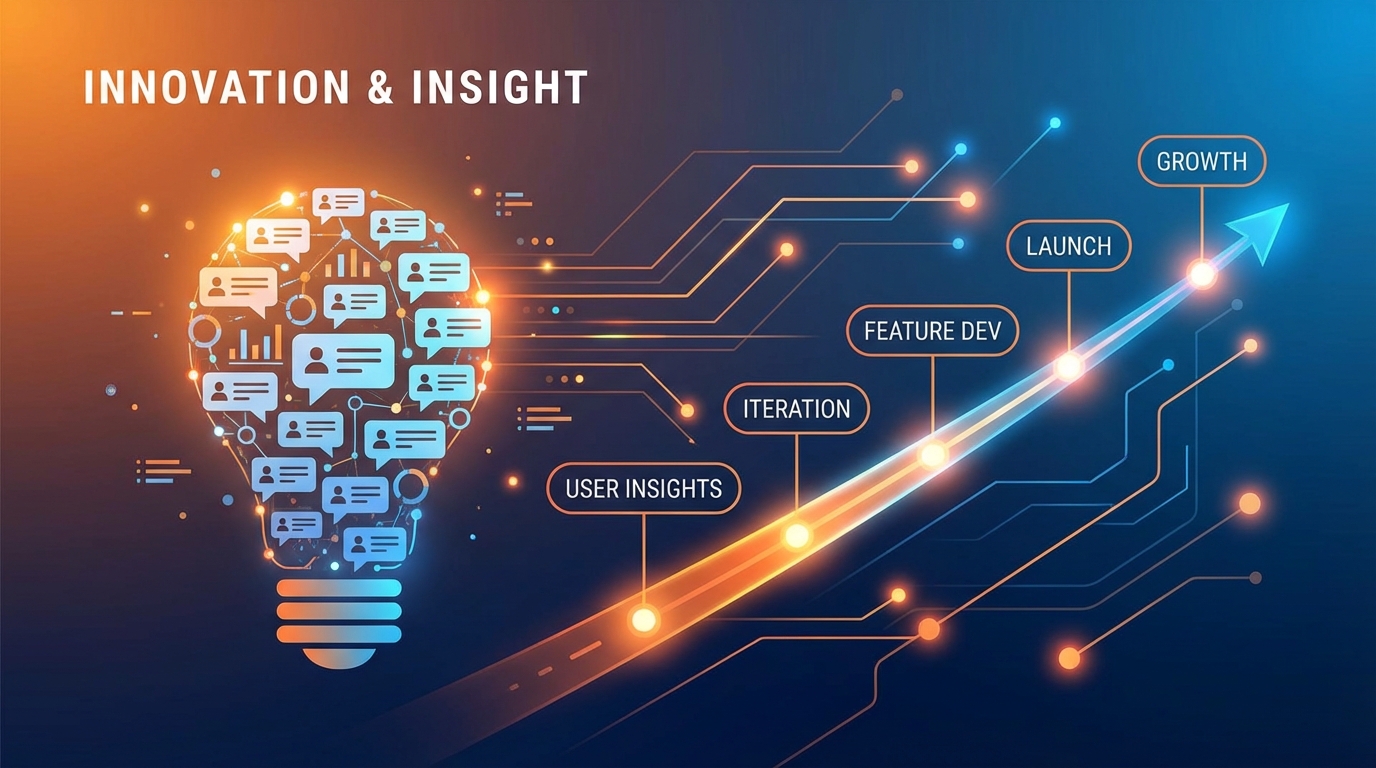
Learn how the Jobs-to-be-Done (JTBD) framework transforms raw feature requests into strategic product insights by extracting situation, motivation, workaround, and friction data from user feedback.
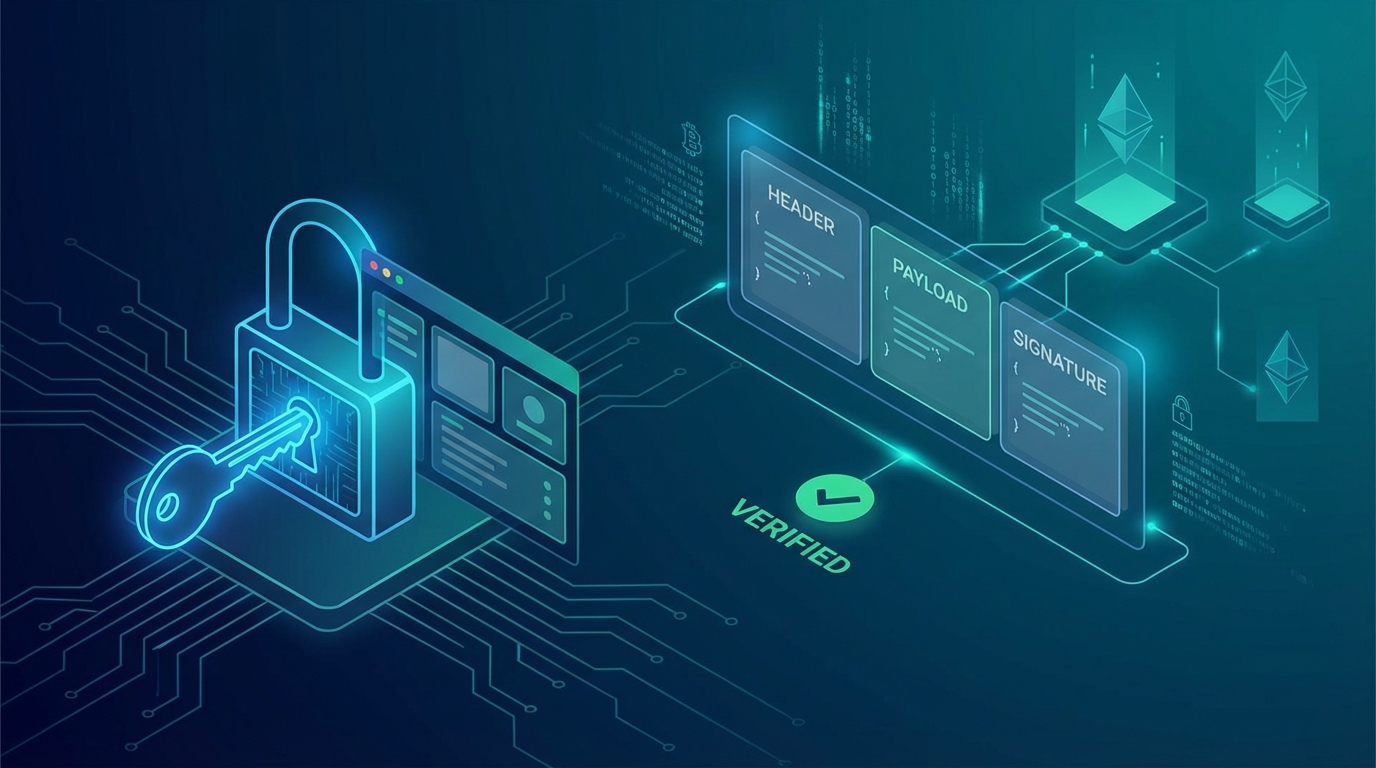
Learn why JWT signature verification IS authorization for embedded widgets. Understand how cryptographic proof through project-specific secret keys provides multi-tenant isolation without explicit ownership database checks.
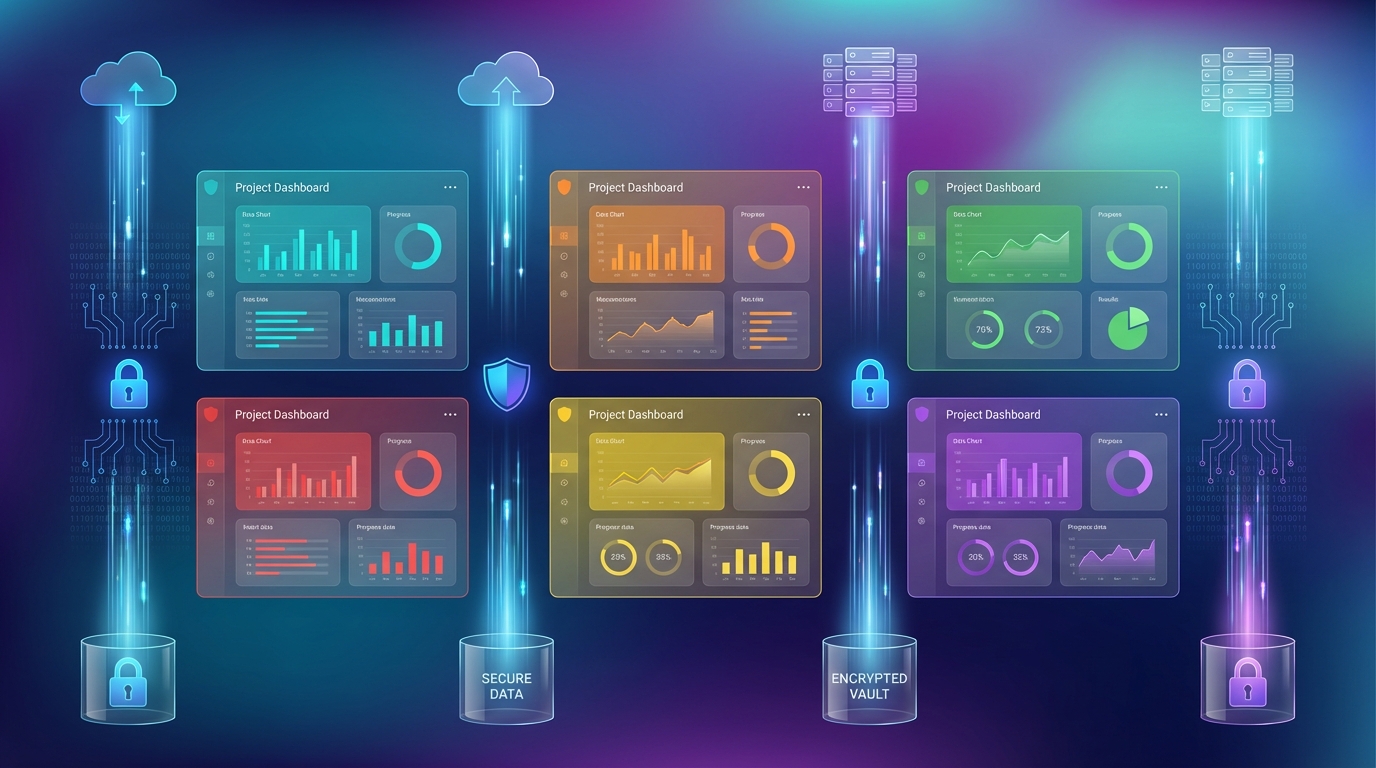
Learn how agencies and multi-product companies securely manage user feedback across projects with proper multi-tenant data isolation, API key management, and team access controls.

Learn how sharing your product roadmap reduces support tickets, builds customer trust, and creates product advocates—while managing expectations and avoiding the overpromising trap.

Learn how to detect and respond to security threats in your SaaS application. Covers failed authentication, fingerprint anomalies, rate limiting, bot detection, and threat pattern analysis.
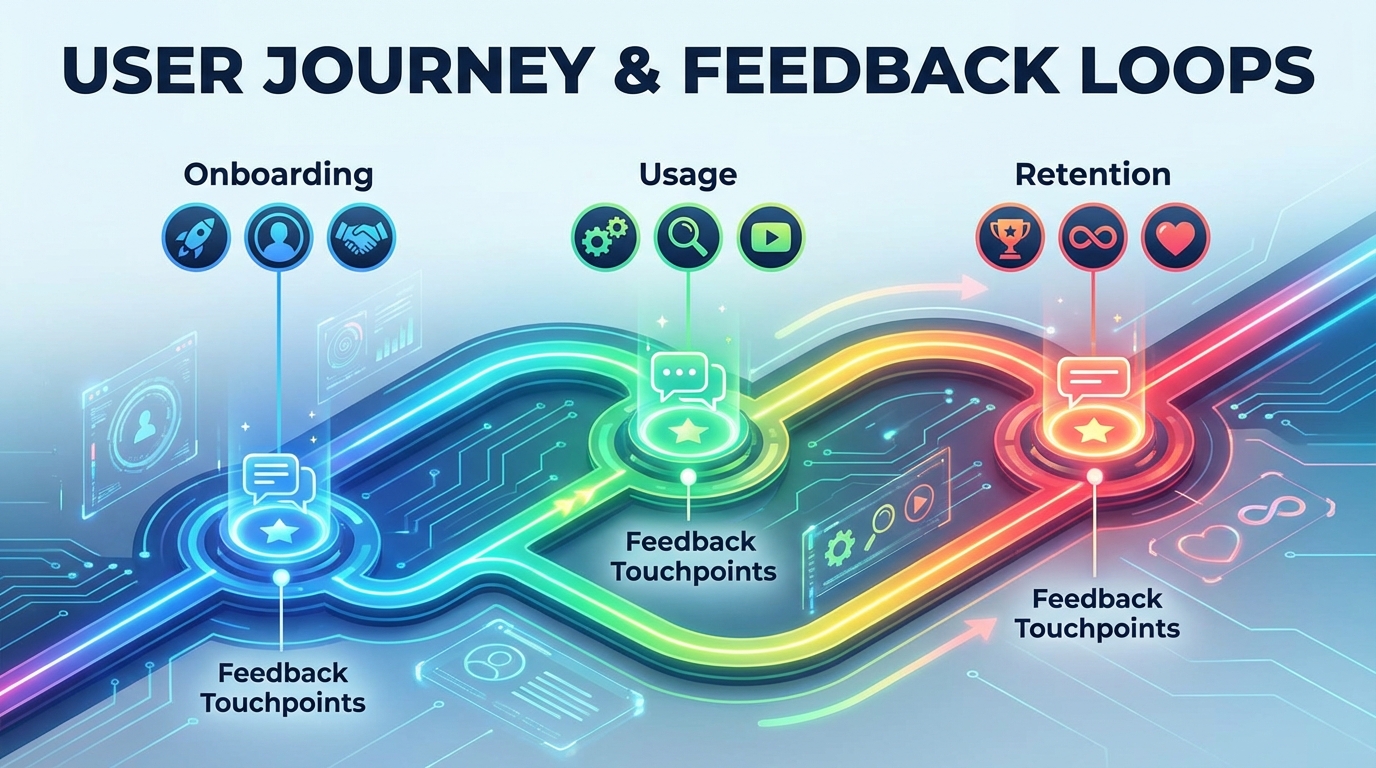
Learn where and when to collect user feedback throughout the customer lifecycle—from onboarding through churn risk—and how to configure embeddable widgets for each critical touchpoint.
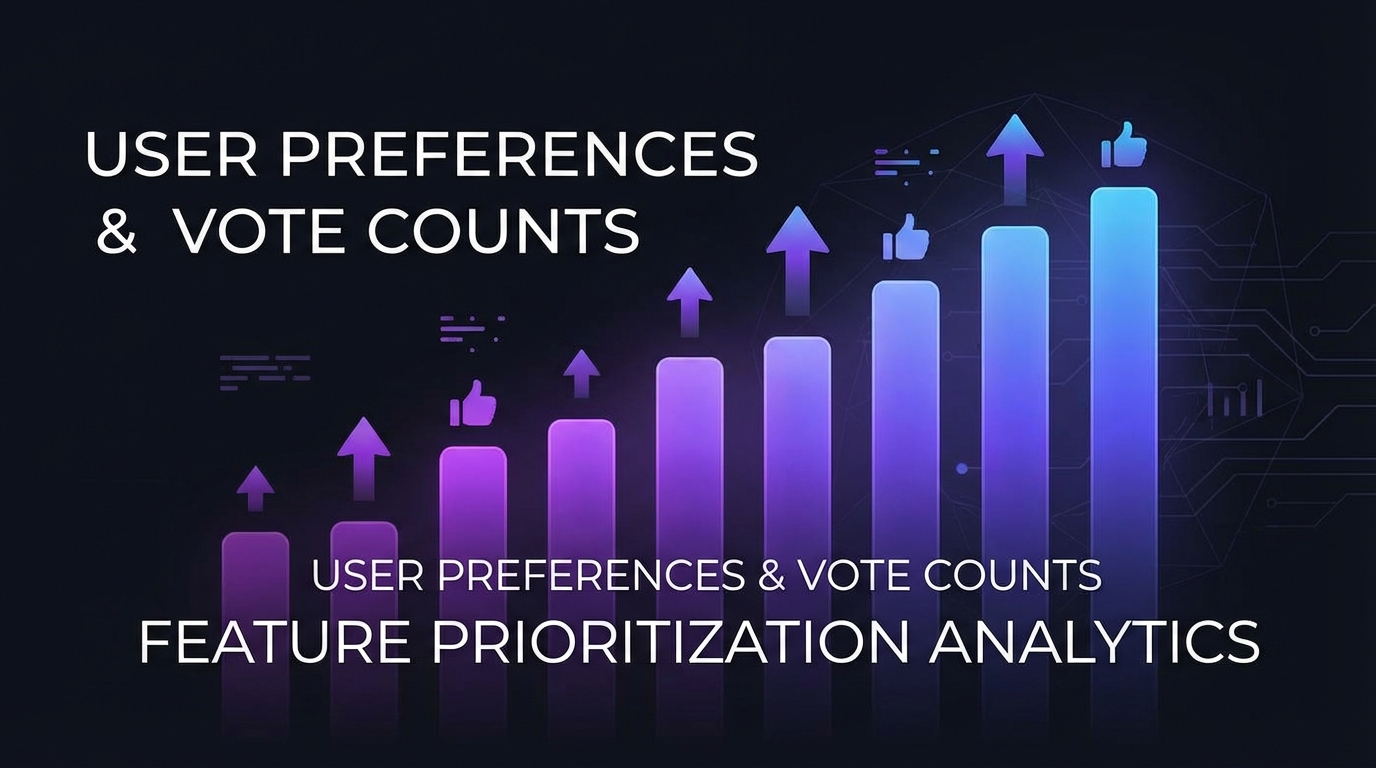
Learn how to use vote-based prioritization to make data-driven product decisions. Discover how fingerprint-based duplicate prevention ensures authentic demand signals.