Account-Level vs User-Level Feedback: B2B Aggregation Strategies for Enterprise Deals
How to aggregate individual user feedback into account-level insights for B2B SaaS. Identify at-risk accounts, expansion opportunities, and champion voices.
Summary
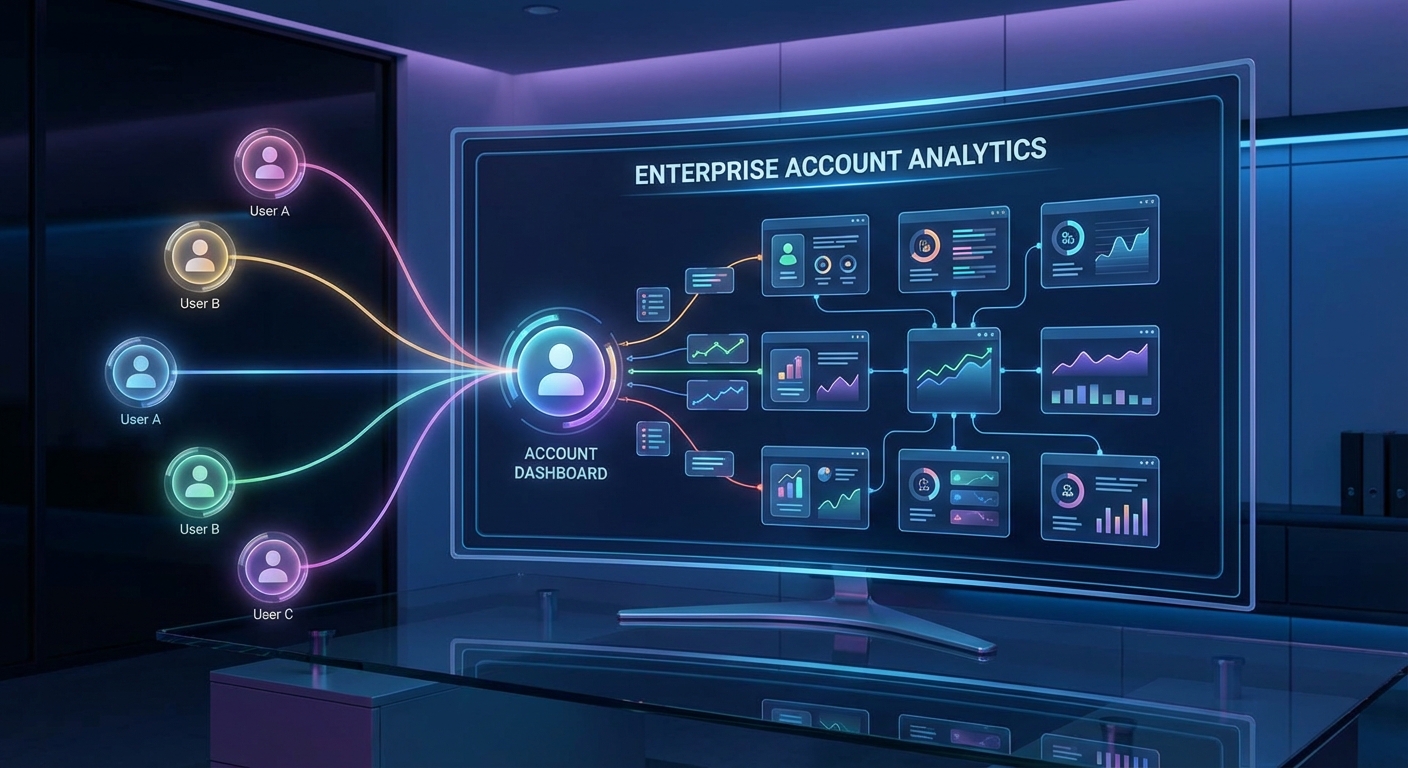
In B2B SaaS, individual user feedback is necessary but not sufficient. A single power user's praise doesn't mean the account is healthy. A vocal detractor might not represent the majority. B2B feedback strategy requires aggregating user-level signals into account-level intelligence that informs renewals, expansions, and churn prevention. This guide shows how to collect at both levels and synthesize them for enterprise success.
The B2B Feedback Challenge
B2B feedback has unique complexity.
Multiple Stakeholders, One Account
| Role | Feedback Focus | Weight in Decision |
|---|---|---|
| Champion (buyer) | Strategic value, ROI | High for renewal |
| End users | Daily usability, features | Medium |
| Admin | Implementation, management | Medium |
| Executive sponsor | Business outcomes | Highest |
| IT/Security | Compliance, integration | Veto power |
Each stakeholder has different priorities and perspectives.
Individual vs. Account Reality
Individual level (user feedback):
- "I love this product" (1 user)
- "This feature is frustrating" (1 user)
- NPS 9 (1 response)
Account level (what matters for renewal):
- 40 users, 15 active, 25 dormant
- Net sentiment across all users: Mixed
- Champion is happy, but she's leaving
- No executive engagement in 6 months
The individual signals don't tell the account story.
The Aggregation Imperative
Account-level intelligence requires:
- Aggregating feedback across users
- Weighting by role and influence
- Tracking engagement beyond feedback
- Connecting sentiment to business outcomes
Collecting Both Levels
Design collection for B2B reality.
User-Level Collection
Capture individual experience:
In-app feedback:
- Task-level satisfaction
- Feature-specific reactions
- Bug reports
- Enhancement requests
Periodic surveys:
- Individual NPS
- Feature satisfaction
- Support experience
const userFeedback = {
  userId: 'user_123',
  accountId: 'account_456',
  role: 'end_user', // champion, admin, exec, end_user
  content: {
    type: 'nps',
    score: 8,
    comment: 'Great for reporting, wish it had better mobile',
  },
  context: {
    tenure: '6_months',
    usageLevel: 'power_user',
    lastLogin: '2_hours_ago',
  },
};
Account-Level Collection
Capture organizational perspective:
Executive Business Reviews (EBRs):
- Formal check-ins with stakeholders
- Strategic alignment discussion
- Outcome measurement
Champion pulse checks:
- Regular temperature from key contact
- Renewal sentiment
- Expansion appetite
Account health surveys:
- Targeted to decision-makers
- Focus on business value
- Renewal likelihood
const accountFeedback = {
  accountId: 'account_456',
  respondent: {
    userId: 'user_789',
    role: 'champion',
    title: 'VP of Operations',
  },
  content: {
    type: 'ebr_feedback',
    overallSatisfaction: 4,
    valuerealization: 4,
    renewalLikelihood: 5,
    expansionInterest: 'yes',
    concerns: ['Onboarding new team members takes too long'],
  },
  context: {
    contractValue: 120000,
    usersLicensed: 50,
    usersActive: 32,
    renewalDate: '2026-04-15',
  },
};
Aggregating User Feedback to Account Level
Transform individual signals into account intelligence.
Weighted Sentiment Scoring
Not all users are equal:
const calculateAccountSentiment = (userFeedback, account) => {
  const weights = {
    executive_sponsor: 5,
    champion: 4,
    admin: 3,
    power_user: 2,
    casual_user: 1,
    dormant: 0.5,
  };

  const weightedScores = userFeedback.map(fb => ({
    score: fb.sentiment,
    weight: weights[fb.userRole] * (fb.isActive ? 1 : 0.5),
  }));

  const totalWeight = weightedScores.reduce((sum, ws) => sum + ws.weight, 0);
  const weightedSum = weightedScores.reduce((sum, ws) => sum + (ws.score * ws.weight), 0);

  return {
    rawAverage: simpleAverage(userFeedback),
    weightedAverage: weightedSum / totalWeight,
    respondentCount: userFeedback.length,
    coverageRate: userFeedback.length / account.activeUsers,
  };
};
Role-Based Aggregation
View sentiment by stakeholder type:
Account Sentiment by Role - Acme Corp
━━━━━━━━━━━━━━━━━━━━━━━━━━━━━━━━━━━━━━━━━━━━━━━━━━━━━━━━━━

Role                │ Users │ Responded │ Avg NPS │ Trend
━━━━━━━━━━━━━━━━━━━━━━━━━━━━━━━━━━━━━━━━━━━━━━━━━━━━━━━━━━
Executive Sponsor   │   1   │     1     │   8     │  →
Champion (Buyer)    │   2   │     2     │   9     │  ↑
Admins              │   3   │     2     │   7     │  →
Power Users         │  12   │     8     │   6     │  ↓
Casual Users        │  22   │     5     │   7     │  →
━━━━━━━━━━━━━━━━━━━━━━━━━━━━━━━━━━━━━━━━━━━━━━━━━━━━━━━━━━
Weighted Account NPS: 7.2 (threshold: 7.0)
Risk Signal: Power user satisfaction declining
Theme Aggregation
What is this account talking about?
const aggregateAccountThemes = async (accountFeedback) => {
  const allFeedback = accountFeedback.flatMap(fb => fb.comments);

  const themes = await ai.cluster({
    items: allFeedback,
    groupBy: 'topic',
    minClusterSize: 2, // At least 2 users mention it
  });

  return themes.map(theme => ({
    topic: theme.label,
    mentions: theme.items.length,
    mentionedBy: theme.items.map(i => i.userRole),
    sentiment: avgSentiment(theme.items),
    // Flag if mentioned by decision-makers
    executiveMention: theme.items.some(i =>
      ['executive_sponsor', 'champion'].includes(i.userRole)
    ),
  }));
};
Example output:
| Theme | Mentions | Roles | Sentiment | Executive? |
|---|---|---|---|---|
| Reporting | 8 | Mixed | Positive | Yes |
| Mobile experience | 5 | End users | Negative | No |
| Onboarding | 4 | Admin, Champion | Negative | Yes |
| Integrations | 3 | Power users | Mixed | No |
"Onboarding" is negative and mentioned by executives—priority issue.
Account Health Scoring
Combine feedback with other signals.
Multi-Signal Health Score
const calculateAccountHealth = async (account) => {
  // Feedback signals (40% weight)
  const feedbackScore = await calculateFeedbackHealth(account);

  // Engagement signals (30% weight)
  const engagementScore = await calculateEngagementHealth(account);

  // Relationship signals (20% weight)
  const relationshipScore = await calculateRelationshipHealth(account);

  // Outcome signals (10% weight)
  const outcomeScore = await calculateOutcomeHealth(account);

  const weights = {
    feedback: 0.4,
    engagement: 0.3,
    relationship: 0.2,
    outcome: 0.1,
  };

  return {
    overall: (
      feedbackScore.score * weights.feedback +
      engagementScore.score * weights.engagement +
      relationshipScore.score * weights.relationship +
      outcomeScore.score * weights.outcome
    ),
    components: {
      feedback: feedbackScore,
      engagement: engagementScore,
      relationship: relationshipScore,
      outcome: outcomeScore,
    },
    riskFactors: identifyRiskFactors(account),
  };
};
Component Definitions
Feedback health:
- Weighted NPS across users
- Response rate (coverage)
- Sentiment trend direction
- Open issue count
Engagement health:
- Active user percentage
- Feature adoption depth
- Login frequency trend
- Usage vs. license ratio
Relationship health:
- Days since champion contact
- EBR completion status
- Support ticket sentiment
- Executive engagement level
Outcome health:
- Reported ROI
- Goal achievement
- Expansion actions
- Reference willingness
Health Dashboard
Account Health Dashboard - Top 10 Accounts by ARR
━━━━━━━━━━━━━━━━━━━━━━━━━━━━━━━━━━━━━━━━━━━━━━━━━━━━━━━━━━

Account         │  ARR   │ Health │ Feedback │ Engage │ Renewal
━━━━━━━━━━━━━━━━━━━━━━━━━━━━━━━━━━━━━━━━━━━━━━━━━━━━━━━━━━
Acme Corp       │ $240K  │  78    │    72    │   85   │ Apr 15
Beta Inc        │ $180K  │  92    │    88    │   95   │ Mar 01
Gamma LLC       │ $165K  │  45 ⚠️  │    38    │   52   │ Feb 28
Delta Co        │ $150K  │  81    │    79    │   83   │ May 30
Epsilon Ltd     │ $140K  │  67    │    71    │   62   │ Apr 01
━━━━━━━━━━━━━━━━━━━━━━━━━━━━━━━━━━━━━━━━━━━━━━━━━━━━━━━━━━

⚠️ Gamma LLC: Low feedback score, champion unresponsive
   Action: Escalate to VP Sales
Identifying Key Signals
Specific patterns predict outcomes.
Champion Risk Signals
Champions leaving is a leading churn indicator:
const championRiskIndicators = {
  // Direct signals
  jobChangeSignal: 'LinkedIn shows new role',
  responsivenessDecline: 'Response time up 3x from baseline',
  delegationIncrease: 'Forwarding more to deputies',

  // Feedback signals
  sentimentDrop: 'NPS dropped 3+ points',
  futureLanguageAbsent: 'No longer mentions "next year" or roadmap',
  frustrationMentions: 'Increasing frustration keywords',

  // Engagement signals
  loginFrequencyDrop: '50%+ reduction in logins',
  featureExplorationStop: 'No new feature adoption in 60 days',
};
Expansion Signals
Positive account-level signals:
| Signal | Source | Interpretation |
|---|---|---|
| "Need more seats" | Champion feedback | Ready for expansion |
| High power-user ratio | Engagement data | Deep adoption |
| Cross-department interest | User feedback | Viral growth |
| "Looking forward to" | Comment analysis | Future commitment |
| Feature requests | User feedback | Investment intent |
Churn Risk Signals
Negative patterns to watch:
| Signal | Weight | Detection |
|---|---|---|
| Champion NPS drop > 3 | Critical | Survey comparison |
| Usage decline > 40% | High | Engagement tracking |
| Support escalations | High | Ticket analysis |
| No exec engagement 90+ days | Medium | Relationship tracking |
| Competitor mentions | Medium | Feedback analysis |
| "Evaluating alternatives" | Critical | Text analysis |
Operationalizing Account Feedback
Turn insights into actions.
CS Workflow Integration
Route insights to customer success:
const routeAccountInsight = async (insight) => {
  const routing = {
    churn_risk: {
      assignTo: 'csm',
      priority: 'urgent',
      action: 'schedule_call',
      escalateTo: insight.account.arr > 100000 ? 'cs_manager' : null,
    },
    expansion_signal: {
      assignTo: 'csm',
      priority: 'high',
      action: 'prepare_expansion_proposal',
      ccTo: 'sales',
    },
    support_escalation: {
      assignTo: 'csm',
      priority: 'urgent',
      action: 'coordinate_with_support',
    },
    champion_at_risk: {
      assignTo: 'csm',
      priority: 'critical',
      action: 'executive_engagement',
      escalateTo: 'cs_director',
    },
  };

  return routing[insight.type];
};
Renewal Playbooks
Feedback-informed renewal strategies:
Green account (health > 80):
- Standard renewal process
- Expansion conversation
- Reference/testimonial request
Yellow account (health 60-80):
- Proactive check-in
- Address open feedback themes
- Champion reinforcement
Red account (health < 60):
- Executive escalation
- Immediate issues remediation
- Save strategy activation
Feedback in EBRs
Structure executive business reviews around account feedback:
EBR Agenda - Acme Corp

1. Relationship Health Summary
   - Overall satisfaction: 7.2/10
   - User feedback themes (top 3)
   - Support metrics

2. Business Outcomes
   - Goals from last EBR: Status
   - ROI metrics you shared
   - Usage highlights

3. Feedback-Driven Discussion
   - Theme 1: Onboarding (mentioned by 4 users including you)
     "What would make onboarding faster?"
   - Theme 2: Reporting (positive - 8 mentions)
     "Can we share this as a case study?"

4. Forward Planning
   - Feature roadmap preview
   - Expansion opportunities
   - Success criteria for next quarter
Measuring B2B Feedback Effectiveness
Track what matters.
Account-Level Metrics
| Metric | Target | Measurement |
|---|---|---|
| Coverage rate | > 30% | Respondents / active users |
| Decision-maker coverage | > 80% | Champions + execs surveyed |
| Response rate trend | Increasing | Month-over-month |
| Health-to-renewal correlation | > 0.7 | Statistical analysis |
Predictive Value
Does feedback predict outcomes?
const validatePredictiveValue = async () => {
  const renewals = await getAccountEvents({ type: 'renewal', period: 'last_year' });

  const analysis = renewals.map(r => ({
    accountId: r.accountId,
    outcome: r.renewed ? 'renewed' : 'churned',
    healthScore30DaysPrior: await getHealthScore(r.accountId, r.date - 30),
    nps30DaysPrior: await getAccountNPS(r.accountId, r.date - 30),
    feedbackSentiment: await getSentiment(r.accountId, r.date - 30),
  }));

  return {
    healthScoreAccuracy: calculatePredictiveAccuracy(analysis, 'healthScore'),
    npsAccuracy: calculatePredictiveAccuracy(analysis, 'nps'),
    sentimentAccuracy: calculatePredictiveAccuracy(analysis, 'sentiment'),
  };
};
Key Takeaways
-
Individual feedback isn't account truth: One user's NPS doesn't represent an enterprise account. Aggregate across users and weight by role.
-
Collect at both levels: User feedback for product insights, account feedback for business intelligence. Both are essential.
-
Weight by influence: Champion and executive feedback matters more for renewals than casual user feedback.
-
Aggregate themes across users: Multiple users mentioning the same issue, especially decision-makers, indicates account priority.
-
Build health scores from multiple signals: Feedback, engagement, relationship, and outcome signals combine for predictive health.
-
Detect champion risk early: Champion departure is a leading churn indicator. Track responsiveness, sentiment, and engagement.
-
Operationalize with playbooks: Route account insights to CS, structure EBRs around feedback themes, and apply health-based renewal strategies.
User Vibes OS aggregates individual feedback into account-level intelligence with role-based weighting and health scoring. Learn more.
Related Articles
Multi-Product Feedback: Managing User Insights Across a Platform
For companies with multiple products—how to collect, route, and synthesize feedback without fragmenting intelligence across silos.
The User Journey Lifecycle: A Framework for Continuous Feedback
Discover the 9-stage user journey lifecycle for collecting feedback from attract to recapture. Build products users love with continuous insights.
Automated Testimonial Collection: Timing and Targeting
Systematically capture testimonials by reaching happy users at the right moment. Build a testimonial engine that runs on autopilot.
Written by User Vibes OS Team
Published on January 13, 2026