The Feedback Flywheel: How Systematic Feedback Compounds Product-Market Fit
Build a self-reinforcing cycle where feedback improves product, which attracts users, who provide more feedback. The compounding effect that accelerates PMF.
Summary
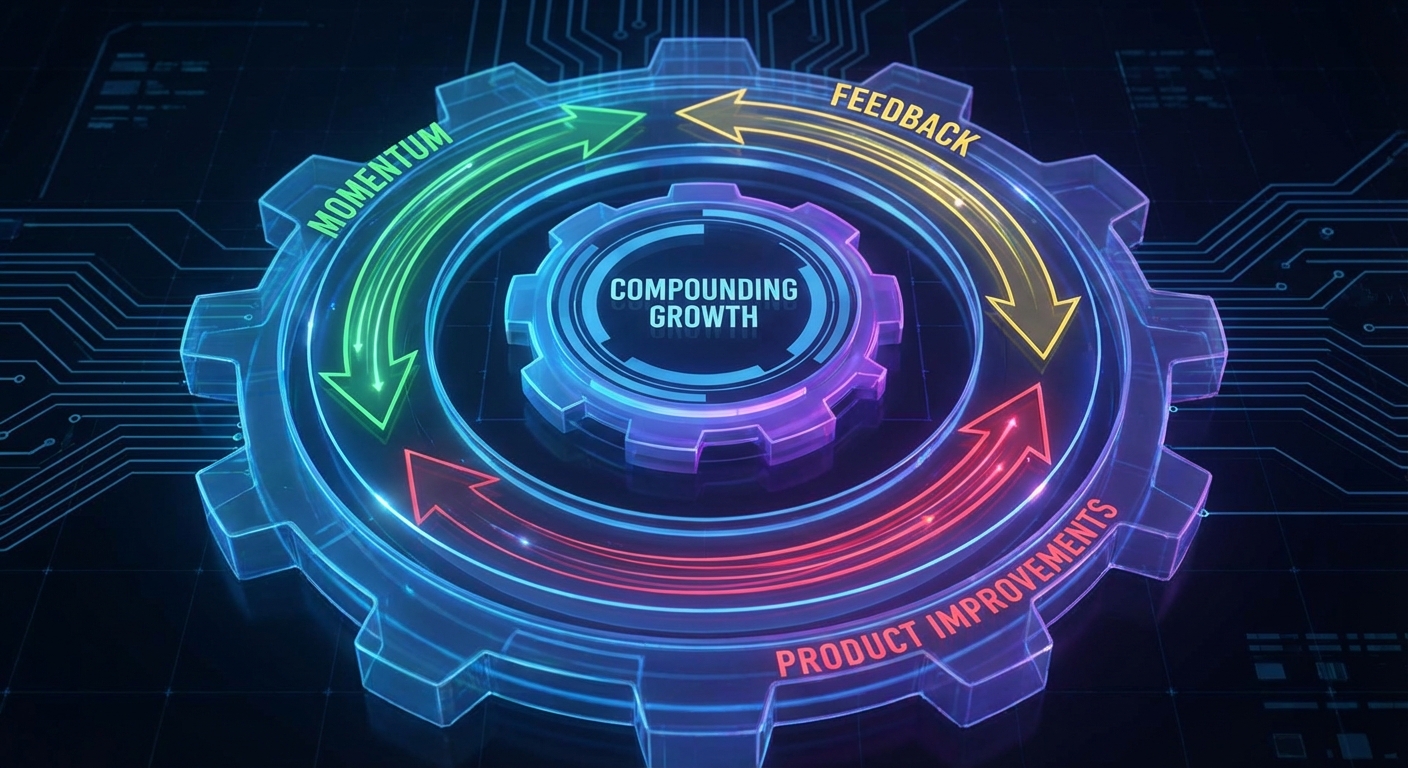
Product-market fit isn't a destination—it's a flywheel. Feedback improves product, better product attracts users, more users provide feedback, which further improves product. Companies that build this flywheel accelerate away from competitors stuck in linear improvement cycles. This guide shows how to construct a feedback flywheel that compounds product-market fit over time.
The Flywheel Concept
Linear improvement is predictable. Compounding improvement is exponential.
Linear vs. Compounding
Linear improvement:
- Ship feature → Get feedback → Ship next feature
- Each cycle starts from scratch
- Progress is additive
Compounding improvement (flywheel):
- Ship feature → Get feedback → Improve → More users → More feedback → Better improvements
- Each cycle builds on the last
- Progress is multiplicative
The Feedback Flywheel Model
                    ┌─────────────────┐
                    │   More Users    │
                    └────────┬────────┘
                             │
                    ┌────────▼────────┐
         ┌──────────│  More Feedback  │──────────┐
         │          └─────────────────┘          │
         │                                       │
         ▼                                       │
┌─────────────────┐                    ┌─────────▼───────┐
│ Better Product  │◄───────────────────│ Better Insights │
└────────┬────────┘                    └─────────────────┘
         │
         ▼
┌─────────────────┐
│  More Value     │
│  Delivered      │
└────────┬────────┘
         │
         └─────────────────────────────────────────┘
                    (attracts more users)
Each turn of the flywheel makes the next turn easier and more powerful.
Why Flywheels Beat Features
Feature-focused companies build what they think users want. Flywheel-focused companies build what users prove they need.
| Approach | Cycle Time | Accuracy | Compounding |
|---|---|---|---|
| Feature roadmap | 3-6 months | Low (guessing) | No |
| Customer interviews | 1-2 months | Medium | Partially |
| Feedback flywheel | Continuous | High | Yes |
Building the Flywheel
Each component of the flywheel requires intentional design.
Component 1: Feedback Collection (Momentum Input)
The flywheel needs constant input. Build collection into every user touchpoint.
Embedded collection points:
- Post-action micro-surveys
- In-context feedback widgets
- Triggered NPS at milestones
- Exit intent capture
- Support ticket analysis
Collection velocity goals:
| Company Stage | Target Feedback/Month | Ratio to Users |
|---|---|---|
| Pre-PMF | 100+ | 1:2 (50% of users) |
| Early PMF | 500+ | 1:5 (20% of users) |
| Scaling | 2000+ | 1:10 (10% of users) |
| Mature | 5000+ | 1:20 (5% of users) |
More feedback = more fuel for the flywheel.
Component 2: Insight Extraction (Processing Power)
Raw feedback is noise. Extracted insights are fuel.
Processing pipeline:
const processFeedbackForFlywheel = async (feedback) => {
  // Extract actionable insight
  const insight = await ai.extract({
    content: feedback.text,
    dimensions: ['problem', 'desiredOutcome', 'currentWorkaround', 'urgency'],
  });

  // Link to existing themes
  const relatedThemes = await findRelatedThemes(insight);

  // Calculate flywheel contribution
  const flywheelScore = calculateFlywheelScore({
    userValue: feedback.user.ltv,
    insightClarity: insight.clarity,
    actionability: insight.actionability,
    themeStrength: relatedThemes.length,
  });

  return { insight, relatedThemes, flywheelScore };
};
Insight quality indicators:
- Specific problem description
- Clear desired outcome
- Evidence of workaround (pain is real)
- Multiple users reporting same issue
Component 3: Rapid Implementation (Acceleration)
Speed determines flywheel velocity. Faster shipping = faster learning.
Implementation velocity targets:
| Feedback Type | Target Response Time |
|---|---|
| Critical bug | 24-48 hours |
| UX friction | 1-2 weeks |
| Small enhancement | 2-4 weeks |
| Feature request | 1-2 months |
Rapid response framework:
const prioritizeForVelocity = (feedbackCluster) => {
  return {
    // High velocity: Small fix, big impact
    quickWins: feedbackCluster.filter(f =>
      f.estimatedEffort < 'medium' && f.userImpact > 'medium'
    ),

    // Batched: Accumulate until pattern clear
    accumulate: feedbackCluster.filter(f =>
      f.themeStrength < 10 && f.urgency < 'high'
    ),

    // Strategic: Larger efforts with clear demand
    strategic: feedbackCluster.filter(f =>
      f.themeStrength >= 10 && f.userValue > 'high'
    ),
  };
};
Component 4: Loop Closure (Momentum Preservation)
Tell users what happened. This encourages more feedback.
Closure communications:
- "Thanks for reporting—fixed in today's release"
- "Your suggestion ships next week"
- "12 people asked for this; it's now in development"
Impact on future feedback:
| Closure Experience | Future Feedback Likelihood |
|---|---|
| No response | 15% will submit again |
| Acknowledged | 35% will submit again |
| Implemented + notified | 65% will submit again |
Closing loops doubles your feedback supply.
Component 5: User Growth (Flywheel Expansion)
Better product attracts more users, who provide more feedback.
Growth from product improvement:
- Word of mouth increases with satisfaction
- Retention improves with value delivery
- Expansion revenue grows with solved problems
Measurement:
const measureFlywheelGrowth = async (period) => {
  const feedbackImprovements = await getShippedFromFeedback(period);
  const affectedFeatures = feedbackImprovements.map(f => f.feature);

  return {
    // User growth in improved areas
    userGrowth: await measureUserGrowth(affectedFeatures, period),

    // Retention in improved areas
    retentionChange: await measureRetentionChange(affectedFeatures, period),

    // NPS change for affected users
    npsChange: await measureNPSChange(feedbackImprovements.users, period),

    // New feedback from improved experience
    feedbackGrowth: await measureFeedbackGrowth(period),
  };
};
Accelerating the Flywheel
Once built, actively accelerate each component.
Reduce Friction at Every Stage
Collection friction:
- One-click feedback options
- Pre-filled context
- No login required
- Mobile-optimized
Processing friction:
- AI-powered categorization
- Automatic duplicate detection
- Instant theme clustering
- Real-time prioritization
Implementation friction:
- Clear ownership for feedback themes
- Direct link from feedback to dev tickets
- Automated testing for quick releases
- Feature flags for gradual rollout
Closure friction:
- Automated notifications on ship
- Bulk communication for themes
- Public changelog linking to feedback
Increase Signal Quality
Higher quality feedback accelerates better:
Encourage detailed feedback:
- Progressive disclosure (start simple, go deeper)
- Context-aware prompts ("What were you trying to do?")
- Follow-up questions for high-value users
Filter noise:
- Weight by user value
- Detect duplicate themes
- Identify edge cases vs. patterns
- Separate bugs from features
Shorten Cycle Time
Faster cycles = more iterations = more learning:
Measurement:
Feedback Flywheel Cycle Time
━━━━━━━━━━━━━━━━━━━━━━━━━━━━━━━━━━━━━━━━━
Stage               │ Target │ Current
━━━━━━━━━━━━━━━━━━━━━━━━━━━━━━━━━━━━━━━━━
Feedback → Insight  │ 1 day  │ 2.3 days
Insight → Priority  │ 3 days │ 5.1 days
Priority → Dev      │ 7 days │ 12.4 days
Dev → Ship          │ 7 days │ 9.2 days
Ship → Notify       │ 1 day  │ 3.8 days
━━━━━━━━━━━━━━━━━━━━━━━━━━━━━━━━━━━━━━━━━
Total Cycle         │ 19 days│ 32.8 days
Every day reduced from cycle time compounds over a year.
Flywheel Metrics
Measure flywheel health, not just feedback volume.
Primary Metrics
Flywheel Velocity: Average time from feedback submission to shipped solution
Velocity = Σ(ship_date - submit_date) / count
Target: Decreasing over time
Flywheel Throughput: Number of feedback-driven improvements shipped per period
Throughput = Feedback-driven features shipped / month
Target: Increasing over time
Flywheel Efficiency: Ratio of actionable insights to raw feedback
Efficiency = Actionable insights / Total feedback
Target: > 40%
Secondary Metrics
Loop Closure Rate: Percentage of feedback submitters notified of outcome
Closure Rate = Notified submitters / Total submitters
Target: > 80%
Feedback-to-Feature Ratio: How many feedback items inform each feature
Ratio = Linked feedback items / Shipped features
Target: > 10:1 (features backed by multiple signals)
Re-engagement Rate: Submitters who submit again after closure
Re-engagement = Repeat submitters / Closed loop submitters
Target: > 50%
Flywheel Health Dashboard
Feedback Flywheel Health - January 2026
━━━━━━━━━━━━━━━━━━━━━━━━━━━━━━━━━━━━━━━━━━━━━━━━━━━━━━━━━━━

Velocity:    ████████████████░░░░  23 days (↓ from 31)
Throughput:  ██████████████████░░  18 features (↑ from 12)
Efficiency:  ███████████████░░░░░  47% actionable (↑ from 38%)

Closure:     ████████████████████  82% notified
Feedback:    ████████████████░░░░  847 submissions (↑ 23%)
Re-engage:   ██████████████░░░░░░  56% return rate

Flywheel Status: ACCELERATING ↗
━━━━━━━━━━━━━━━━━━━━━━━━━━━━━━━━━━━━━━━━━━━━━━━━━━━━━━━━━━━
Common Flywheel Failures
Recognize and fix these breakdowns.
Failure 1: Collection Without Processing
Symptom: Feedback volume high, actionable insights low Cause: No processing pipeline, feedback sits unanalyzed Fix: Implement AI-powered extraction and theme clustering
Failure 2: Processing Without Action
Symptom: Great insights, nothing ships Cause: No link between feedback system and development Fix: Direct integration with issue trackers, clear ownership
Failure 3: Action Without Closure
Symptom: Features ship, users don't know Cause: No notification system, manual only Fix: Automated closure communications, changelog integration
Failure 4: Slow Cycle Time
Symptom: Flywheel exists but moves slowly Cause: Bottlenecks at one or more stages Fix: Identify slowest stage, aggressively optimize
Failure 5: Volume Without Quality
Symptom: Lots of feedback, low signal-to-noise Cause: Collection optimized for quantity, not quality Fix: Better prompts, progressive disclosure, user value weighting
Flywheel at Different Stages
Flywheel strategy evolves with company stage.
Pre-PMF: Discovery Flywheel
Focus on learning, not scaling.
Characteristics:
- Small user base, high-touch
- Every feedback item reviewed manually
- Rapid pivots based on patterns
- Founders directly involved
Metrics focus:
- Pattern emergence (what keeps coming up?)
- Hypothesis validation (does feedback support assumptions?)
- Pivot signals (should we change direction?)
Early PMF: Acceleration Flywheel
Focus on cementing fit, expanding reach.
Characteristics:
- Growing user base, semi-automated processing
- Clear themes emerging, prioritization matters
- Speed of iteration differentiates
- Team starting to specialize
Metrics focus:
- Feature-market fit (does each feature get validated?)
- Segment expansion (new segments showing interest?)
- Retention correlation (do improvements retain?)
Scaling: Optimization Flywheel
Focus on efficiency and segment-specific fit.
Characteristics:
- Large user base, fully automated processing
- Segment-specific feedback loops
- Predictive patterns, proactive improvements
- Dedicated feedback operations
Metrics focus:
- Segment satisfaction parity
- Predictive churn prevention
- Expansion revenue from improvements
- Competitive differentiation
Key Takeaways
-
Flywheels beat roadmaps: Linear improvement is predictable; compounding improvement is exponential. Build the cycle, not just features.
-
Every component matters: Collection, processing, implementation, closure, and growth—weakness in any component slows the entire flywheel.
-
Speed is multiplicative: Faster cycles mean more learning. Reduce time at every stage to accelerate overall velocity.
-
Close the loop religiously: Notifying users of outcomes doubles future feedback. Silence breaks the flywheel.
-
Measure flywheel health: Track velocity, throughput, and efficiency—not just feedback volume.
-
Quality over quantity: High-signal feedback accelerates better than high-volume noise. Optimize for actionability.
-
Stage-appropriate strategy: Pre-PMF flywheels learn; scaling flywheels optimize. Adjust approach as you grow.
User Vibes OS provides the infrastructure for complete feedback flywheels—from collection through closure and growth tracking. Learn more.
Related Articles
In-App vs Email Feedback: Channel Strategies, Timing, and Response Rates
When to use in-app widgets vs email surveys. Compare response rates, quality differences, and build a multi-channel feedback strategy that maximizes insights.
Micro-Surveys: The Art of the Single Question
How single-question surveys achieve 3-5x higher response rates while delivering actionable insights. Master timing, question design, and progressive disclosure.
Product-Led Growth: Building Viral Loops Through User Feedback
Turn satisfied users into growth engines by integrating feedback loops that drive referrals, word-of-mouth, and organic expansion. PLG meets voice of customer.
Written by User Vibes OS Team
Published on January 13, 2026