Building a Feedback Culture: Getting Engineering, Sales, and Support to Listen to Users
How to embed user feedback into every team's workflow. Transform feedback from a product team responsibility into an organizational capability.
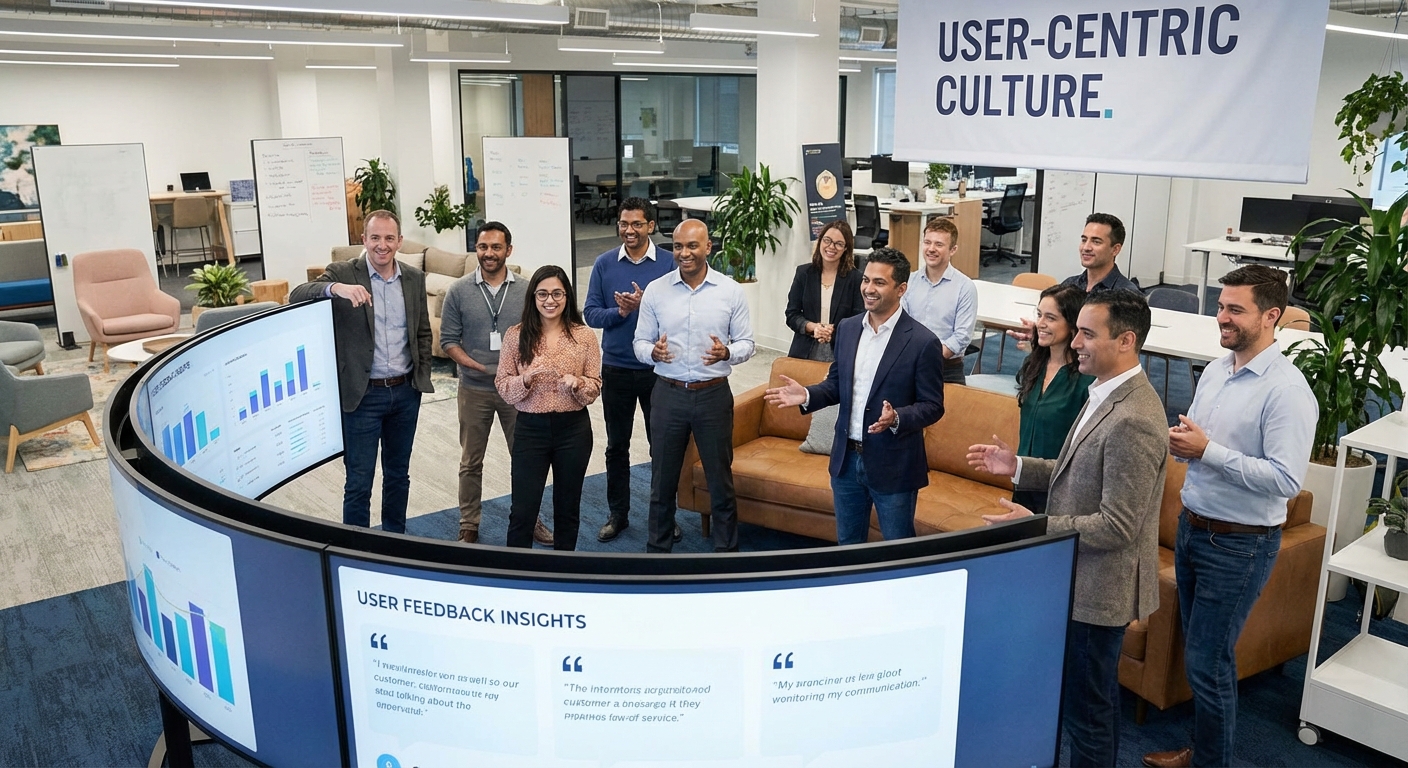
Summary
Feedback culture isn't about tools or processes—it's about organizational behavior. When only product managers read user feedback, you lose 90% of the potential value. This guide shows how to embed feedback into every team's workflow, make user insights visible across the organization, and build habits that keep everyone connected to customer reality.
Why Feedback Culture Matters
Tools collect feedback. Culture uses it.
The Feedback Silo Problem
In most organizations:
| Team | Sees Feedback? | Acts on It? | Why Not? |
|---|---|---|---|
| Product | Yes | Yes | Primary owners |
| Engineering | Rarely | Occasionally | "PM will tell us what to build" |
| Design | Sometimes | Sometimes | "We do usability testing" |
| Sales | Own feedback | Rarely shares | "Closed deals, moved on" |
| Support | Creates feedback | Rarely sees outcomes | "Just close tickets" |
| Marketing | Rarely | Rarely | "We measure campaigns" |
| Executive | Summaries only | Strategic only | "Too detailed" |
Everyone owns a piece. No one owns the whole.
The Cost of Feedback Silos
Engineering builds the wrong thing: Features ship that users never asked for while requested fixes languish.
Sales promises the impossible: Deals close on features that don't exist because sales doesn't know the roadmap rationale.
Support solves symptoms: The same issues recur because fixes never reach engineering.
Marketing misses the message: Positioning doesn't match what users actually value.
Executives misread the market: Strategy based on assumptions rather than user evidence.
The Feedback Culture Advantage
When feedback flows freely:
- Engineers understand why they're building
- Sales aligns messaging with actual capabilities
- Support feedback drives product improvements
- Marketing speaks in customer language
- Executives make evidence-based decisions
Making Feedback Visible
Visibility creates awareness. Awareness creates action.
The Feedback Hub
Create a central, accessible place for all feedback:
Physical/Digital presence:
- TV dashboard in common areas
- Slack channel with daily digest
- Weekly email summary
- Real-time notification for high-signal items
What to display:
User Feedback - Live Stream
━━━━━━━━━━━━━━━━━━━━━━━━━━━━━━━━━━━━━━━━━━━━━━━━━━━━━━━━━━

🆕 2 min ago | Enterprise User
"The export finally works perfectly. Thank you!"
Page: /reports | Sentiment: Positive

🆕 15 min ago | Pro User
"Still can't figure out how to set up recurring reports"
Page: /settings/automation | Sentiment: Frustrated

🆕 32 min ago | New User
"Onboarding was smoother than expected!"
Page: /welcome | Sentiment: Positive

━━━━━━━━━━━━━━━━━━━━━━━━━━━━━━━━━━━━━━━━━━━━━━━━━━━━━━━━━━
Today: 47 feedback items | 68% positive | 3 critical
━━━━━━━━━━━━━━━━━━━━━━━━━━━━━━━━━━━━━━━━━━━━━━━━━━━━━━━━━━
Team-Specific Views
Different teams need different perspectives:
Engineering view:
- Bug reports and error feedback
- Feature requests with technical context
- Performance complaints
- API/integration feedback
Sales view:
- Competitive mentions
- Pricing feedback
- Feature gaps blocking deals
- Positive quotes for testimonials
Support view:
- Trending issues
- Documentation gaps
- Feature confusion patterns
- Resolution satisfaction
Executive view:
- NPS trends
- Strategic themes
- Churn indicators
- Competitive positioning
Proactive Sharing
Don't wait for people to look:
const shareRelevantFeedback = async (feedback) => {
  const routing = {
    // Route to Slack channels
    engineering: {
      condition: ['bug', 'performance', 'api'].includes(feedback.type),
      channel: '#engineering-feedback',
    },
    sales: {
      condition: feedback.mentions.includes('competitor') ||
                 feedback.sentiment === 'very_positive',
      channel: '#sales-intel',
    },
    support: {
      condition: feedback.type === 'documentation_gap',
      channel: '#support-improvements',
    },
    executive: {
      condition: feedback.importance === 'strategic' ||
                 feedback.user.tier === 'enterprise',
      channel: '#leadership-signals',
    },
  };

  for (const [team, config] of Object.entries(routing)) {
    if (config.condition) {
      await postToSlack(config.channel, formatFeedback(feedback, team));
    }
  }
};
Embedding Feedback in Workflows
Make feedback part of how work gets done.
Engineering: Feedback in Development
Sprint planning includes user evidence:
- Every story links to supporting feedback
- Engineers read original user quotes
- "This affects X users" context for prioritization
Code review includes user context:
PR #1234: Fix export timeout for large datasets

User Evidence:
- 23 users reported this issue
- Avg dataset size causing timeout: 50k rows
- Quote: "Export fails every time I run my weekly report"

Acceptance Criteria:
- Export completes for datasets up to 100k rows
- Progress indicator shows during long exports
Sprint retros include feedback themes:
- What feedback did we address this sprint?
- What feedback is still open?
- Did shipped features receive positive reception?
Sales: Feedback in Deal Cycles
Discovery uses feedback data:
- "What do customers like you typically need?"
- Reference actual feedback themes
- Anticipate objections from common feedback
Proposals include user evidence:
- "Here's what existing customers in your industry say"
- Testimonials from feedback system
- Feature satisfaction data for asked-about capabilities
Win/loss includes feedback capture:
- Every closed deal (won or lost) generates feedback
- Structured capture: Why did they choose us/competitor?
- Routes to product for roadmap input
Support: Feedback as First-Class Data
Ticket tags map to product themes:
- Every ticket categorized for product relevance
- "Known issue" vs. "New pattern" distinction
- Automatic escalation for emerging themes
Support-to-product pipeline:
Weekly Support → Product Sync

Top 5 Themes This Week:
1. Dashboard performance (34 tickets, ↑12)
2. Mobile app feature parity (28 tickets, ↑8)
3. SSO configuration (22 tickets, ongoing)
4. Export formatting (18 tickets, ↓5 after fix!)
5. Billing confusion (15 tickets, new)

Action Items:
- Engineering to prioritize dashboard perf
- PM to scope mobile parity
- Docs team to improve SSO guide
Marketing: Feedback in Messaging
Voice of customer in copy:
- Use actual user language in marketing
- Quote feedback (with permission) in campaigns
- Testimonial pipeline from positive feedback
Positioning validated by feedback:
- Do users describe us the way we describe ourselves?
- What language do they use for our value props?
- Which benefits resonate most?
Creating Feedback Rituals
Culture is built through repeated practices.
Company-Wide Rituals
Monthly "Voice of Customer" presentation:
- 30-minute all-hands segment
- Product team presents top themes
- Play audio/video clips from user calls
- Share wins from feedback-driven improvements
Quarterly "User Story" deep dive:
- Pick 3-5 representative users
- Tell their complete story: pain, solution, outcome
- Every team hears the human behind the data
Annual "Feedback Awards":
- Celebrate teams that acted on feedback
- Recognize improvements driven by user input
- Share impact metrics
Team-Level Rituals
Weekly feedback review (all teams):
- 15 minutes to review team-relevant feedback
- Identify patterns and action items
- Assign ownership for follow-up
Sprint feedback integration (engineering):
- Every sprint includes at least one feedback-driven item
- Demo includes "user said → we built" narrative
- Retro includes feedback quality assessment
Quarterly feedback-roadmap alignment (product):
- Map roadmap items to supporting feedback
- Identify gaps (features without user demand)
- Adjust based on emerging themes
Individual Rituals
New employee feedback immersion:
- Week 1: Read 100 pieces of user feedback
- Week 2: Listen to 5 user calls/recordings
- Week 3: Shadow a support interaction
- Week 4: Respond to feedback (with training)
Monthly user connection (all roles):
- Encourage everyone to read 20 feedback items monthly
- Optional: Join a user call or interview
- Recognize people who engage regularly
Measuring Culture Health
Track cultural adoption, not just feedback volume.
Engagement Metrics
Cross-team visibility:
Feedback Platform Usage - January 2026
━━━━━━━━━━━━━━━━━━━━━━━━━━━━━━━━━━━━━━━━━━━━━━━━━━━━━━━━━━
Team          │ Users │ Monthly Logins │ Avg Time │ Trend
━━━━━━━━━━━━━━━━━━━━━━━━━━━━━━━━━━━━━━━━━━━━━━━━━━━━━━━━━━
Product       │  12   │      48        │  45 min  │  →
Engineering   │  34   │      28        │  12 min  │  ↑
Design        │   8   │      15        │  22 min  │  ↑
Sales         │  22   │       8        │   5 min  │  ↓
Support       │  18   │      45        │  30 min  │  →
Marketing     │  10   │       4        │   8 min  │  ↓
Executive     │   5   │       3        │  15 min  │  →
━━━━━━━━━━━━━━━━━━━━━━━━━━━━━━━━━━━━━━━━━━━━━━━━━━━━━━━━━━
Sales and marketing lagging—focus improvement there.
Action Metrics
Feedback-to-action rate by team:
Actions Taken on Feedback - Q4 2025
━━━━━━━━━━━━━━━━━━━━━━━━━━━━━━━━━━━━━━━━━━━━━━━━━━━━━━━━━━
Team          │ Assigned │ Completed │ Rate
━━━━━━━━━━━━━━━━━━━━━━━━━━━━━━━━━━━━━━━━━━━━━━━━━━━━━━━━━━
Engineering   │   145    │    118    │  81%
Support       │    67    │     54    │  81%
Product       │    89    │     67    │  75%
Marketing     │    23    │     12    │  52%
Design        │    34    │     16    │  47%
━━━━━━━━━━━━━━━━━━━━━━━━━━━━━━━━━━━━━━━━━━━━━━━━━━━━━━━━━━
Attribution Metrics
Features attributed to feedback:
- % of roadmap items with linked feedback
- Target: > 70%
Recognition of feedback influence:
- Sprint demos mention "user-requested"
- Release notes credit user feedback
- Awards given for feedback responsiveness
Survey: Culture Assessment
Annual internal survey:
Feedback Culture Assessment

1. I regularly see user feedback relevant to my work.
   [Strongly Disagree] [Disagree] [Neutral] [Agree] [Strongly Agree]

2. User feedback influences the decisions my team makes.
   [Never] [Rarely] [Sometimes] [Often] [Always]

3. I know how to access user feedback when I need it.
   [Strongly Disagree] [Disagree] [Neutral] [Agree] [Strongly Agree]

4. When I share user feedback, something happens.
   [Never] [Rarely] [Sometimes] [Often] [Always]

5. I trust that our product decisions are informed by user feedback.
   [Strongly Disagree] [Disagree] [Neutral] [Agree] [Strongly Agree]
Overcoming Resistance
Culture change faces resistance. Address it directly.
"We already talk to customers"
Reality check:
- Conversations are sampling; feedback is comprehensive
- Calls favor the vocal; feedback captures the silent
- Memory is selective; data is objective
Response: "Conversations are great—feedback ensures we're not missing the quiet majority."
"Engineering should code, not read feedback"
Reality check:
- Engineers who understand users build better products
- Context reduces rework and misunderstanding
- Pride in solving real problems motivates
Response: "15 minutes per week reading feedback saves hours of building the wrong thing."
"Sales knows what customers want"
Reality check:
- Sales hears prospects; feedback comes from users
- Sales optimizes for closing; feedback optimizes for success
- Bias toward recent deals; feedback shows patterns
Response: "Sales insight is essential—feedback validates it across the entire customer base."
"We don't have time for this"
Reality check:
- Time spent on wrong priorities wastes more
- Feedback-informed work is more likely to succeed
- Prevention costs less than correction
Response: "30 minutes per week prevents 30 hours of misaligned work."
Leadership's Role
Culture starts at the top.
Executive Behaviors That Build Culture
Cite feedback in decisions:
- "User feedback shows X, so we're prioritizing Y"
- Reference specific quotes and data
- Make evidence-based reasoning visible
Ask for feedback in meetings:
- "What does user feedback say about this?"
- Expect data-informed answers
- Challenge decisions without user evidence
Celebrate feedback-driven wins:
- Highlight in all-hands meetings
- Personal recognition to teams
- Connect improvements to business outcomes
Model the behavior:
- Read feedback regularly
- Share interesting items with teams
- Demonstrate curiosity about users
Organizational Enablement
Make it easy:
- Single sign-on access to feedback tools
- Mobile access for reading on the go
- Minimal training required
Make it expected:
- Include in role descriptions
- Discuss in performance reviews
- Track team engagement metrics
Make it rewarded:
- Recognize people who act on feedback
- Celebrate feedback-driven improvements
- Include in team success metrics
Key Takeaways
-
Culture beats tools: Feedback tools are useless if only product uses them. Culture embeds feedback in every team's workflow.
-
Visibility drives awareness: Make feedback visible through dashboards, Slack channels, and proactive sharing to team-relevant audiences.
-
Embed in existing workflows: Don't create parallel processes. Integrate feedback into sprint planning, sales cycles, and support workflows.
-
Create rituals: Monthly voice-of-customer presentations, weekly team reviews, and new-hire immersion build lasting habits.
-
Measure culture health: Track engagement across teams, action rates, and attribution to identify weak spots.
-
Address resistance directly: "No time" and "not my job" concerns have real answers. Provide them.
-
Lead from the top: Executives who cite feedback in decisions, ask for user evidence, and celebrate feedback wins set the standard.
User Vibes OS provides team-specific views, Slack integrations, and engagement analytics to help build feedback culture across your organization. Learn more.
Related Articles
Automated Testimonial Collection: Timing and Targeting
Systematically capture testimonials by reaching happy users at the right moment. Build a testimonial engine that runs on autopilot.
Email Drip Campaigns Triggered by User Sentiment
Build smarter nurture sequences that respond to how users actually feel. Use sentiment signals to send the right email at the right moment.
Freemium to Premium: Feedback-Driven Conversion Strategies
Use targeted feedback collection to understand why free users don't upgrade, then address those barriers systematically. Convert more trials with data.
Written by User Vibes OS Team
Published on January 13, 2026